Medical Alert System for Atrial Fibrillation (AFib)
Confidence for living independently with AFib
Medical Alert System for Atrial Fibrillation (AFib)
Confidence for living independently with AFib
Medical Alert System for Atrial Fibrillation (AFib)
Confidence for living independently with AFib
Medical Alert System for Atrial Fibrillation (AFib)
Confidence for living independently with AFib
5
3448
Más de 3.400 opiniones de 5 estrellas
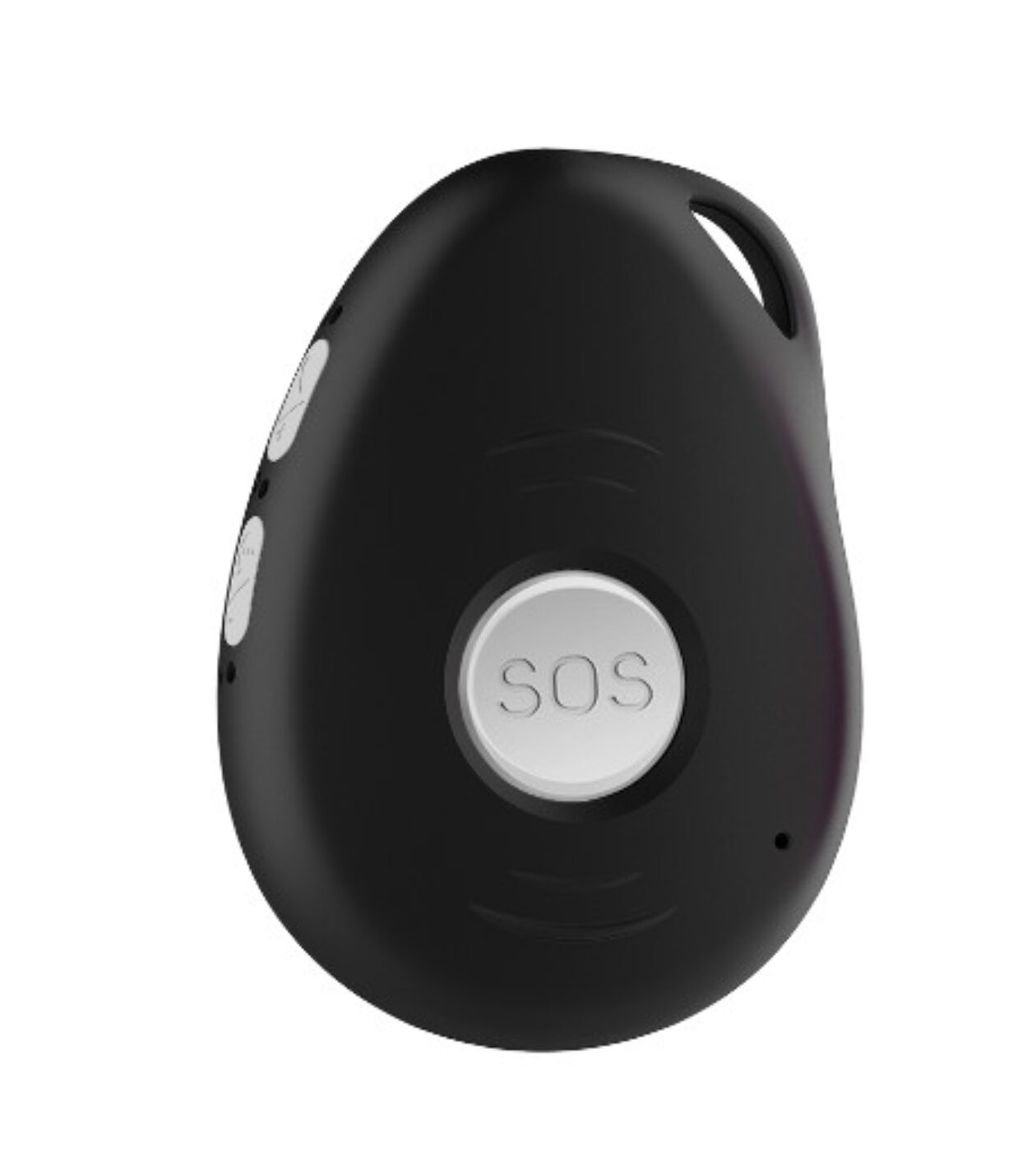
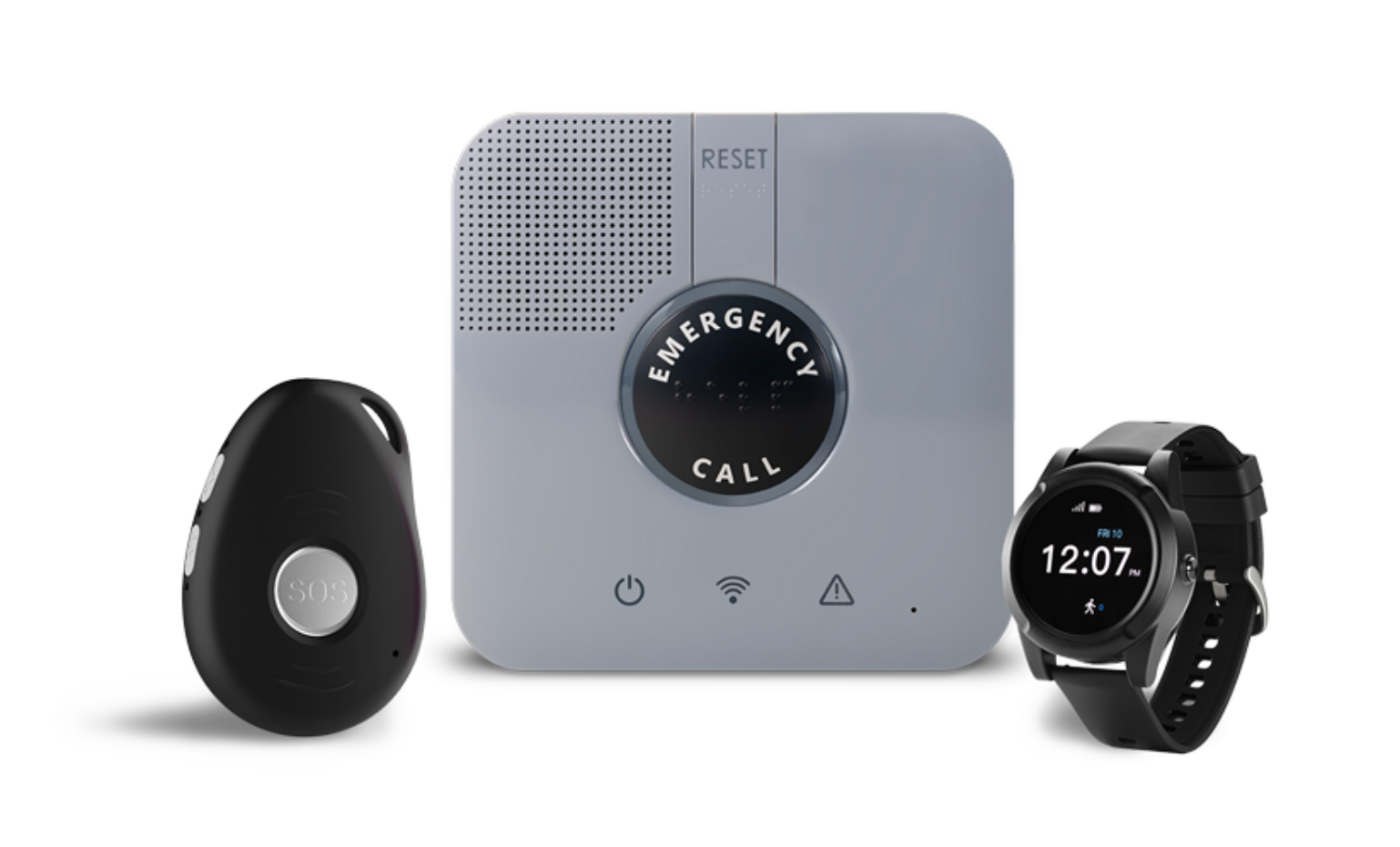
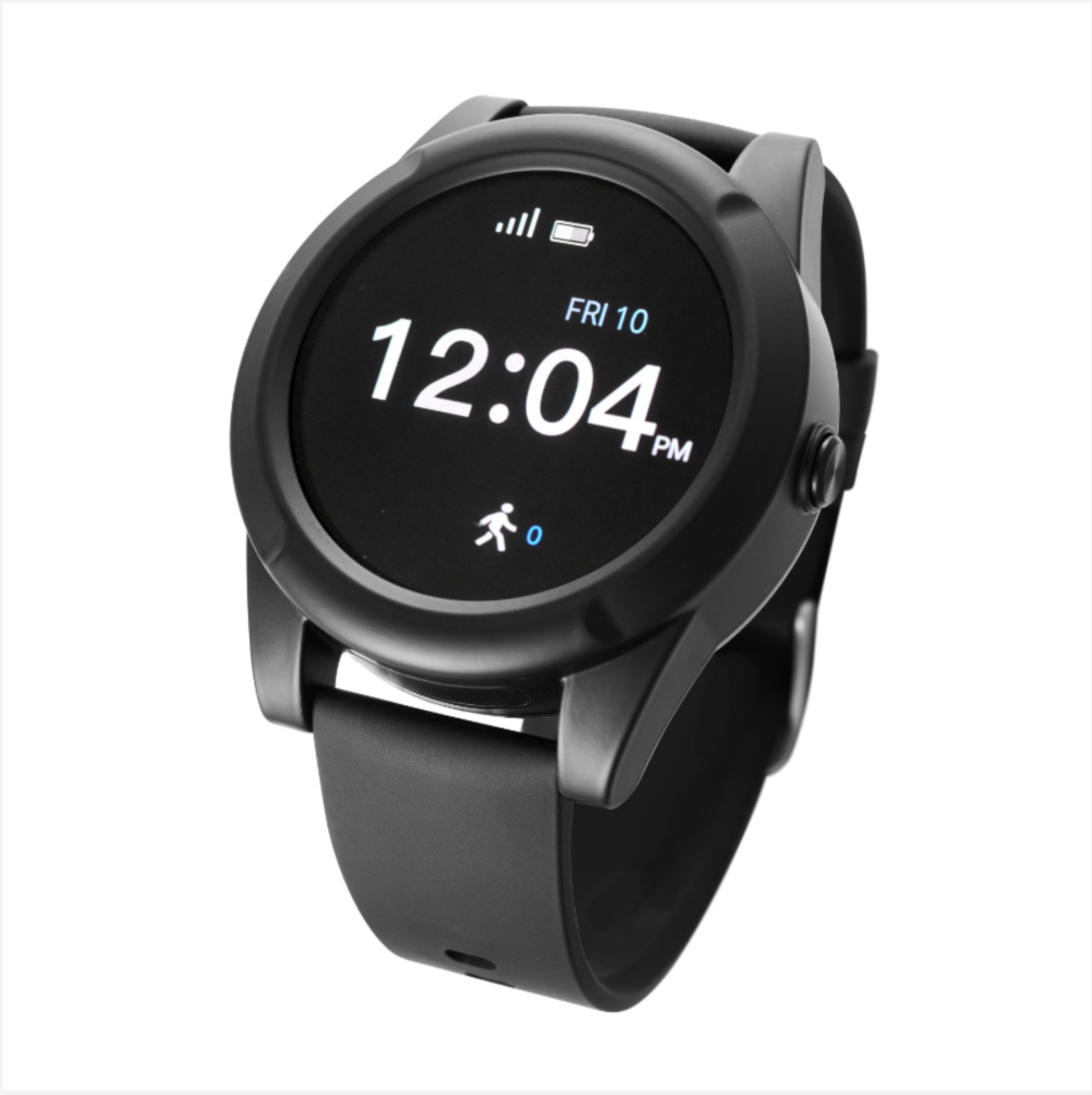
Atrial fibrillation doesn’t follow routines. A medical alert system for cardiac arrhythmia (AFib) gives you a direct line to help when an episode interrupts normal function.
Many people with AFib feel fine most of the time. Then, without warning, an episode makes simple tasks harder: speaking clearly, standing steadily, or deciding whether the situation requires immediate help. In those moments, hesitation is just as stressful as the symptoms themselves.
A medical alert system for cardiac arrhythmia removes that hesitation. It gives people living with AFib a reliable way to reach support when symptoms escalate unexpectedly without needing to explain, evaluate, or wait things out alone.