Tranquilidad & La independencia está a una llamada
(888) 493-1475 - Haga clic para llamar consigue un MES GRATIS de servicio.
Tranquilidad & La independencia está a una llamada
Llame al 800-554-4600 y obtenga un MES GRATUITO de servicio.
Los sistemas de alerta médica móvil ofrecen seguridad e independencia dondequiera que vaya el usuario. Diseñados para estilos de vida activos, estos sistemas proporcionan acceso rápido a la ayuda con un solo toque, tanto cuando se está en casa como cuando se está de viaje.
La seguridad de todos nosotros, así como la de nuestros seres queridos, es una prioridad máxima. Esto es especialmente importante teniendo en cuenta que casi 1 de cada 4 personas mayores sufre una caída cada año, muchas de las cuales ocurren fuera de casa, según los Centros para el Control y la Prevención de Enfermedades (CDC).
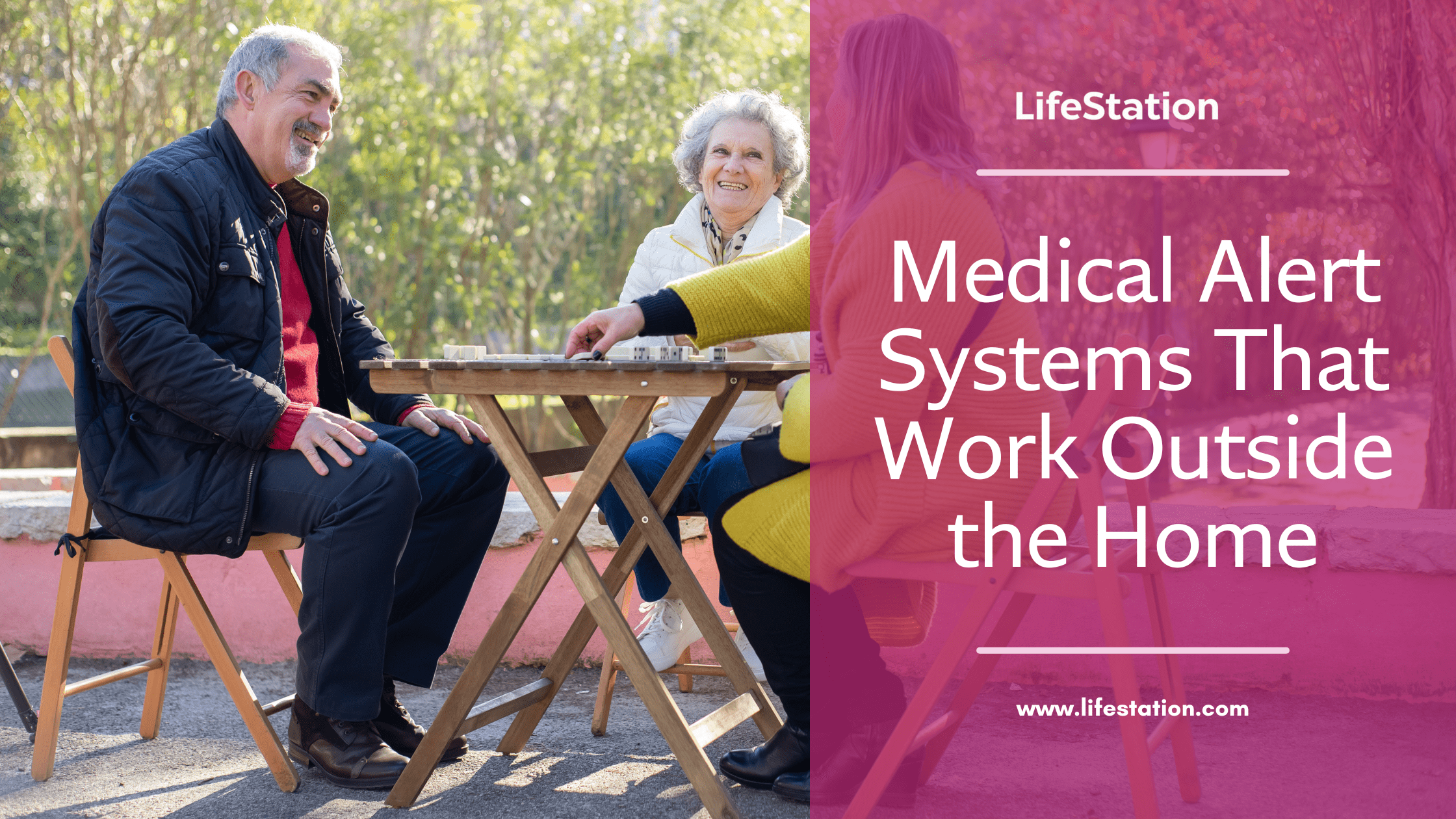
Los sistemas de alerta médica móviles diseñados para el uso en exteriores proporcionan tranquilidad al garantizar que la asistencia está a un solo toque de distancia. Estos sistemas le permiten a usted o a sus seres queridos disfrutar de las actividades de la vida cotidiana fuera de la seguridad de su hogar sin tener que preocuparse.
¿Qué son los sistemas de alerta médica móvil?
Los sistemas de alerta médica móvil son dispositivos portátiles diseñados para permitir a los usuarios solicitar ayuda en situaciones de emergencia, a menudo con tecnología de seguimiento GPS, detección de caídas y conexión a redes celulares.
Los sistemas de alerta médica móvil ofrecen protección y asistencia a las personas mientras se encuentran fuera de casa. Estos dispositivos suelen estar equipados con GPS y Wi-Fi, lo que permite a los servicios de emergencia y a los seres queridos localizar a los usuarios con precisión en situaciones de emergencia. Esto resulta particularmente beneficioso para las personas mayores, que pueden salir con más confianza sabiendo que sistema de alerta médica El personal de asistencia guiará directamente a las personas necesitadas si es necesario.
Estos sistemas no solo sirven para situaciones de emergencia, sino que también ofrecen comodidad diaria, permitiendo a los usuarios mantenerse conectados con sus seres queridos y con los proveedores de atención médica, realizar un seguimiento del número de pasos dados, monitorear la frecuencia cardíaca, etc.
Desde dispositivos simples de uso diario, como pulseras o brazaletes, hasta relojes inteligentes avanzados con alertas médicas que ofrecen una gama de funciones, hay algo para todos. Asegúrate de elegir un sistema que se adapte a tu estilo de vida y a tus necesidades.
¿Qué LifeStation sistema es adecuado para usted?
Todos los LifeStation sistemas se conectan al mismo centro de monitoreo ubicado en Estados Unidos las 24 horas del día, los 7 días de la semana, y siguen el mismo proceso de respuesta ante emergencias. Características como la detección de caídas están disponibles en toda la línea de productos como complementos opcionales.
La diferencia no radica en el nivel de apoyo. La diferencia radica en dónde funciona el dispositivo, cómo se integra en la vida cotidiana y qué tipo de usuario mejor se adapta a él.
Sidekick en Casa
A partir de $38,95
Sidekick Home está diseñado para personas que pasan la mayor parte de su tiempo en casa y quieren una cobertura confiable en todo el hogar y más allá de él. Utiliza una unidad base con un botón de ayuda portátil y ofrece hasta 1.300 pies de alcance desde la base, lo que lo hace práctico para pasar de una habitación a otra, entrar en el porche, revisar el correo o pasar tiempo en el jardín.
Debido a que está diseñado para un uso más doméstico y no para una movilidad completa, es más adecuado para aquellos usuarios que no necesitan cobertura nacional y prefieren mantener las cosas simples.
Más indicado para:
- Personas que residen principalmente en el hogar
- Usuarios que desean cobertura en la vivienda y en las zonas exteriores inmediatas
- Los mayores que quieren un sistema simple sin tener que gestionar un dispositivo móvil fuera de casa
Perla
A partir de $42,95 al mes
Pearl es LifeStation un dispositivo médico portátil compacto para usuarios que desean protección tanto en casa como en movimiento. Está equipado con tecnología GPS, utiliza la cobertura celular LTE y está diseñado para ser usado alrededor del cuello, en una correa o unido a una bolsa.
Su principal ventaja es la movilidad sin complicaciones adicionales. No hay que aprender ni manejar una interfaz de estilo reloj. Está diseñada para personas que quieren un dispositivo móvil sencillo que pueda ir siempre con ellos.
Más indicado para:
- Personas que salen regularmente de casa para hacer compras, citas, paseos o salidas sociales
- Usuarios que quieren protección móvil sin el formato de un smartwatch
- Los cuidadores que quieren una opción móvil más sencilla para un ser querido
Sidekick Inteligente
A partir de $42,95 al mes
Sidekick Smart es LifeStation el reloj de alerta médica de Samsung. Combina la protección de emergencia con características que lo hacen más parecido a un dispositivo de uso diario, como el monitoreo de la frecuencia cardíaca, el seguimiento de los pasos, el acceso a la información meteorológica, el seguimiento de la ubicación mediante GPS y la comunicación bidireccional a través del reloj.
Como funciona como un dispositivo de tecnología wearable en lugar de un colgante estándar, tiene más sentido para los usuarios que se sienten cómodos con la carga y la interacción con un reloj.
Más indicado para:
- Adultos mayores activos que suelen estar fuera de casa
- Usuarios que están cómodos con la tecnología wearable
- Personas que desean un dispositivo de alerta médica que también permita el seguimiento de la actividad diaria
SeniorLiving.org Tiene su opinión sobre los dispositivos de alerta LifeStation médica
“LifeStation Se centra en las características que son importantes para mantenerte a salvo”
Cómo funcionan los sistemas de alerta médica móviles fuera de casa
Un sistema de alerta médica móvil funciona dondequiera que haya conexión celular disponible, lo que permite que el dispositivo funcione mucho más allá de la casa. Esto significa que un usuario puede acceder de inmediato a ayuda en caso de emergencia médica, ya sea caminando por un estacionamiento, sentado en un parque o haciendo compras en otra ciudad.
Cuando el usuario presiona el botón de su dispositivo de alerta médica, la señal se envía a través de una conexión celular a un centro de monitoreo que está dotado de operadores de emergencia capacitados. La conexión se realiza en cuestión de segundos. Un operador en vivo responde, evalúa la situación y contacta con los servicios de emergencia o con los contactos de emergencia según el plan de respuesta vinculado a ese sistema.
¿Cómo funcionan los sistemas de alerta médica?
El dispositivo es una línea directa entre el usuario y un centro de monitoreo sin depender de una línea fija, una red Wi-Fi o un teléfono celular cercano. El proceso es simple porque debe funcionar bajo presión. Un solo toque conecta al usuario con operadores de emergencias capacitados para responder a una emergencia médica y guiar los siguientes pasos sin demora.
Un sistema de respuesta personal en caso de emergencia diseñado de esta manera elimina la necesidad de especulaciones. El usuario no necesita explicar con detalle dónde se encuentra. El seguimiento de la ubicación mediante GPS y la cobertura celular permiten al centro de monitoreo identificar la ubicación del usuario y coordinar con los servicios de emergencia cuando sea necesario.
Cuando un sistema de alerta médica móvil es la mejor opción
Es importante evaluar sus necesidades y preferencias personales antes de comprar un sistema de alerta médica. Estos sistemas son especialmente beneficiosos para:
- Adultos de 60 años o más
- Personas con enfermedades crónicas
- Personas en riesgo de caídas debido a condiciones médicas
Identificar sus necesidades ayuda a reducir la lista de opciones y garantiza que elija un sistema beneficioso. Un sistema de alerta médica móvil suele ser más práctico cuando la vida cotidiana va más allá de la propia vivienda. Eso suele parecer así:
- Caminar solo por el barrio o en el parque
- Dirigirse a citas, tiendas o visitas sociales sin que nadie más esté en el coche
- Pasar tiempo trabajando en el jardín, sentándose al aire libre o moviéndose más allá del alcance de una estación base
- Realizar tareas domésticas con suficiente frecuencia para que un sistema doméstico dejara grandes brechas en la cobertura
- Desear un dispositivo de alerta médica que permanezca con el usuario en lugar de depender de la distancia que tenga desde su hogar
Para las personas cuya rutina se basa principalmente en el hogar, un sistema en el hogar puede ser suficiente. Para las personas que salen de casa la mayoría del tiempo, los sistemas de alerta médica móviles son una mejor opción porque la protección se desplaza con ellos.
Lo explicamos más a fondo con nuestra guía Cómo elegir el sistema adecuado para las personas mayores.
LifeStation ¿Cómo te has protegido cuando estás en movimiento?
Monitorización 24/7 desde Estados Unidos
Nuestros centros de monitoreo en Nueva Jersey y Texas están operados las 24 horas del día por operadores de emergencia capacitados con experiencia en el cuidado de adultos mayores y en respuesta a emergencias personales. Si ocurre una caída, una enfermedad repentina o una preocupación por la seguridad, la ayuda está disponible en cuestión de segundos.
Garantía de devolución del dinero en 30 días
El periodo de prueba de 30 días le da tiempo para comprobar si el sistema se adapta a su rutina. Si no es así, puede devolverlo y obtener un reembolso completo, sin cargos por cancelación, costos ocultos ni cargos inesperados por equipamiento.
Tiempo de respuesta rápido
Nuestro centro de monitoreo cuenta con la certificación TMA, UL y CSAA Five Diamond, una distinción que solo han alcanzado menos de 2% centros de monitoreo en todo el país. Este nivel de certificación refleja la rapidez, la consistencia y la calidad del cuidado que se brinda en cada llamada.
Duración de la batería en un sistema de alerta médica móvil
La duración de la batería es más importante en un sistema de alerta médica móvil, ya que se espera que el dispositivo funcione mucho más allá de la casa. Tiene que estar siempre disponible durante las caminatas, los desplazamientos, las citas y los largos períodos de tiempo sin estar conectado a la carga. Esto hace que la duración de la batería sea una de las primeras consideraciones que la gente debería tener en cuenta al comparar dispositivos de alerta médica móvil.
Para LifeStation dispositivos como Pearl y Sidekick Smart, donde el dispositivo debe permanecer con el usuario durante todo el día en lugar de depender de una estación base, esto es importante. Un botón portátil o un reloj inteligente solo son útiles si están alimentados, puestos y listos en el momento en que se produce una emergencia médica.
Los evaluadores externos han probado la duración de la batería. El Consejo Nacional sobre el Envejecimiento revisó LifeStation los dispositivos móviles de Samsung y encontró que la duración de la batería es de hasta 5 días. Para las personas mayores y los cuidadores, esa duración de la batería significa menos interrupciones diarias, menos preocupaciones por la carga y más confianza en que el dispositivo seguirá funcionando cuando más lo necesiten.
Find My Loved One
Para algunas familias, la preocupación no es solo la emergencia en sí. Es el silencio previo a ella. Un ser querido permanece fuera más tiempo de lo habitual, se olvida de mencionar dónde va o deja el dispositivo de seguridad en un lugar equivocado. Ahí es donde Find My Loved One Añade un valor real.
Esta función premium está disponible con nuestro sistema de alerta médica móvil y permite a las personas incluidas en la lista de contacto de emergencia acceder directamente a la ubicación del usuario mediante un mensaje de texto. Para utilizarla, un contacto aprobado envía un mensaje de texto con la palabra “Buscar” y el nombre del usuario a un número específico. Una respuesta con texto devuelve la dirección y un enlace a un mapa, lo que brinda a los cuidadores y familiares una forma rápida y sencilla de confirmar la ubicación de un ser querido.
Nuestros sistemas también funcionan con Alexa, lo que brinda a las familias una forma sencilla de acceder a la información del dispositivo sin añadir más pasos o confusión.
La vida no se detiene en la puerta de entrada. Nuestros sistemas de alerta médica móviles están diseñados para acompañarte a lo largo de tus paseos, desplazamientos, citas y todo lo demás. Explora las opciones móviles de LifeStation’s o llame 800-554–4600 y encuentra el dispositivo que se ajuste a la forma en que vives.
Preguntas frecuentes
¿La detección automática de caída reemplaza el botón de presión?
La detección automática de caídas añade una capa adicional de protección, pero el botón de alerta médica sigue siendo importante. La detección de caídas no detecta el 100% de las caídas, por lo que si el usuario puede pulsar el botón, sigue siendo la forma más rápida de conectarse a nuestro centro de monitoreo y recibir ayuda para poder seguir adelante.
¿Qué LifeStation dispositivo es el sistema de alerta médica adecuado para mí?
El sistema de alerta médica adecuado depende de dónde se necesite apoyo y de cómo se integre el dispositivo en las rutinas diarias. Sidekick Home funciona mejor para personas que pasan la mayor parte de su tiempo en casa y quieren cobertura tanto dentro como fuera de la casa. Pearl es adecuado para usuarios que buscan un sistema móvil más simple con un botón portátil que puedan llevar siempre consigo. Sidekick Smart es adecuado para personas que prefieren un reloj inteligente con funciones adicionales integradas en el mismo dispositivo.
¿Necesito firmar un contrato a largo plazo?
La ausencia de un contrato a largo plazo brinda a las familias más flexibilidad a la hora de elegir un sistema. Esto facilita concentrarse en la comodidad, la seguridad y el uso diario en lugar de sentir que se está presa por una decisión demasiado pronto.
¿Es mejor un reloj inteligente o un botón portátil?
Eso depende de la persona que lo use. Algunos adultos mayores prefieren un botón portátil que simplifica las cosas y los ayuda a sentirse seguros sin tener que realizar pasos adicionales. Otros suelen usar un reloj inteligente todo el día porque ya se adapta a su rutina. El tipo de dispositivo más adecuado es el que el usuario utilice de forma constante y se sienta seguro al utilizarlo en una emergencia médica.
¿Cómo ayuda la tecnología GPS en una emergencia?
La tecnología GPS ayuda a nuestro centro de monitoreo a identificar la ubicación del usuario cuando se necesita ayuda lejos de casa. Esto resulta importante cuando alguien está haciendo una caminata, en un estacionamiento o haciendo otras tareas fuera de casa y no puede explicar claramente dónde se encuentra. Un sistema móvil con tecnología GPS proporciona a los servicios de emergencia y a los contactos de emergencia un punto de partida más claro, lo cual brinda a las familias mayor tranquilidad cuando un ser querido está en movimiento.
¿Qué sucede si hay una falsa alarma?
Pueden producirse falsas alarmas, especialmente con la detección automática de caídas. Cuando esto ocurre, nuestros operadores de emergencia toman la alerta muy en serio y intentan comunicarse a través del dispositivo para entender qué está pasando. Esta respuesta protege al usuario sin dejar espacio para aclarar la situación si no se necesita ayuda.
Obtenga ahora lo mejor en servicios de alerta médica
Solicitar información sobre alertas médicas
Al hacer clic en el botón Solicitar folleto de arriba, está proporcionando una firma electrónica que certifica que nuestra empresa y nuestras filiales tienen su consentimiento para ponerse en contacto con usted en el número de teléfono proporcionado utilizando un marcador automático o un mensaje pregrabado de acuerdo con nuestras Condiciones de uso. Tenga en cuenta que no está obligado a comprar nada a las empresas que puedan ponerse en contacto con usted. Los proveedores de servicios sanitarios y cualquier persona interesada en obtener más información sobre cómo trabajar con LifeStation, pueden ponerse en contacto con el departamento de desarrollo empresarial de LifeStation. Al introducir una dirección de correo electrónico, acepta recibir periódicamente mensajes de LifeStation. Puede darse de baja de estos correos electrónicos en cualquier momento. LifeStation.com nunca venderá, intercambiará, alquilará o cederá su información personal sin su permiso. Valoramos y respetamos su confianza.