Tranquilidad & La independencia está a una llamada
(888) 493-1475 - Haga clic para llamar consigue un MES GRATIS de servicio.
A medical alert system is often described as a button. But in a real emergency, the button is only the first step.
What matters next is the response behind it.
When an older adult falls, feels suddenly ill, becomes disoriented, or cannot reach a phone, a medical alert device needs to do more than send a signal. It needs to connect that person to someone who can respond calmly, understand what is happening, and help coordinate the right next step. That is the role of a professional medical alert monitoring center.
For seniors who want to remain independent, and for caregivers who cannot be available every minute of the day, the monitoring center is what turns a medical alert device into a real emergency response service.
That is why LifeStation’s monitoring center matters. LifeStation is not only providing wearable buttons, mobile devices, and home systems. LifeStation operates its own monitoring centers and connects members to certified care specialists 24/7 for medical alert emergencies.
Why a Monitoring Center Is the Most Important Part of a Medical Alert System
A medical alert device starts the request for help. The monitoring center helps decide what happens next.
A professional monitoring center can speak with the user, assess the situation, contact emergency services when needed, and notify caregivers or family contacts based on the user’s emergency profile. That human response is especially important because emergencies are rarely neat or predictable.
Someone may press the button after a fall but be too shaken to explain everything clearly. A person may feel chest pain but not know whether to call 911. A caregiver may be at work, asleep, driving, or away from their phone. In those moments, the best protection is not just a device that makes noise or sends a text. It is a monitored system backed by trained support.
AARP describes monitored systems as being connected to a call center where live agents can talk with a loved one, assess the emergency, and contact designated family members or emergency services. That distinction matters. Unmonitored systems may connect directly to 911 or personal contacts, but they do not provide the same layer of professional assessment and coordination.
For families comparing medical alert systems, the monitoring center should be one of the first things they evaluate.
Why Response Matters for Older Adults and Caregivers
Medical alert monitoring is important because emergencies can happen quickly, and older adults may not be able to manage the situation alone.
Falls are one of the clearest examples. The CDC reports that more than one out of four older adults falls each year. Falls also lead to about 3 million emergency department visits and about 1 million fall-related hospitalizations among older adults each year. Those numbers do not mean every older adult needs the same device or service, but they do show why fast access to help can matter for people who are aging in place.
A monitoring center helps close the gap between an emergency and action. It gives seniors a direct way to ask for help without searching for a phone. It gives caregivers reassurance that someone can respond even when they are unavailable. It also helps reduce uncertainty by following established response protocols instead of leaving family members to figure out what happened after a missed call or automated alert.
For many households, that is the real value of a monitored medical alert system: it supports independence without leaving the senior alone in a moment of need.
What a Strong Medical Alert Monitoring Center Should Provide
Not every monitoring center is equal. LifeStation’s own medical alert systems guide notes that there are different levels of quality and operational standards for monitoring centers.
A strong monitoring center should provide:
- Fast response when an alert is triggered
- 24/7 availability, including nights, weekends, and holidays
- Trained operators or care specialists who can assess the situation
- Clear protocols for contacting emergency services and caregivers
- The ability to stay connected with the user when possible
- U.S.-based support for users and families who need clear communication
- Operational standards, certifications, or third-party recognition that support reliability
- Accurate user information, emergency contacts, and location details when available
These are not small details. They are the difference between a device-centered product and a response-centered service.
The story should not be only that medical alert monitoring centers are important in general. The stronger story is that LifeStation has built its medical alert service around its own 24/7 monitoring infrastructure.

Our Monitoring Centers Are a Trust Signal
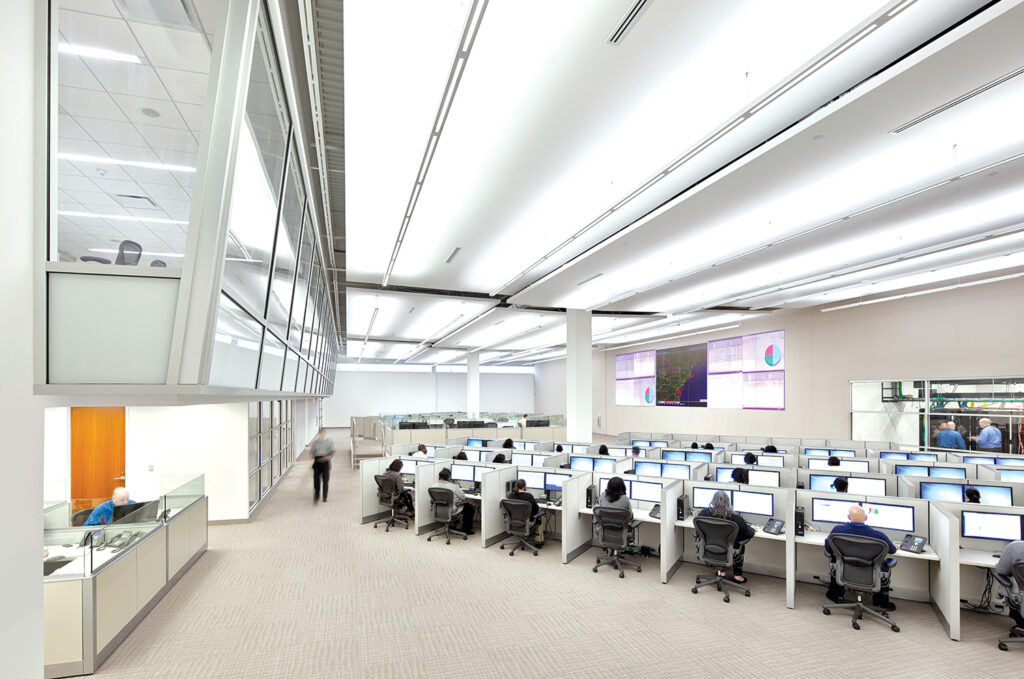
We at LifeStation operate our own monitoring centers in New Jersey and Texas, where certified care specialists are always on call for medical alert emergencies. This matters because our response centers are where an alert becomes a coordinated action plan.
When a LifeStation member presses the help button, our monitoring center connects the member and their emergency profile with caregivers and emergency responders. The device sends the request, and our care specialists help carry it forward with speed, clarity, and compassion.
Owning and operating our monitoring centers helps us deliver industry-leading emergency response times. Monitoring is not an afterthought for us. It is central to how we provide fast help, reassure caregivers, and support seniors who want to live independently.
Our commitment to monitoring and service quality is also reflected in third-party recognition, including TMA recognition, UL Listed monitoring, CSAA Five Diamond certification, FM Approved recognition, and customer service awards. These distinctions reinforce the high standards we bring to every alert and every interaction.
In plain terms: if the monitoring center is the part of the system that answers the alert, then the quality of that center should influence the buying decision.
What Happens When Someone Presses a LifeStation Medical Alert Button?
The exact experience can vary by device and situation, but the LifeStation response process is built around the same core goal: connect the person to help quickly and clearly.
First, the user presses the medical alert button or an alert is triggered through the device. The alert connects to LifeStation’s monitoring center. A certified care specialist can then assess what is happening and help determine the appropriate next step.
If the user needs emergency help, the monitoring center can contact emergency responders. If the situation calls for a caregiver, family member, or listed contact, the monitoring center can help follow the member’s response plan. If the user is scared or confused, having a person on the line can provide reassurance while help is being coordinated.
That human connection is one reason professional monitoring is so important. Emergencies are stressful. A trained specialist can help bring order to a moment that may feel overwhelming for the senior and their family.
How LifeStation’s LiveLink Dispatch™ Strengthens the Monitoring Center
LifeStation’s LiveLink Dispatch™ adds an important layer to the monitoring center story.
Traditionally, a monitoring center agent may need to call a 911 center and verbally relay information such as the member’s address, health history, and emergency details. LifeStation explains that this phone-based process can introduce risks such as misheard information, transcription errors, hold times, and lost minutes.
LiveLink Dispatch™ is designed to reduce that friction. According to LifeStation, it digitally transmits critical information from LifeStation’s monitoring center directly to the 911 dispatcher in less than eleven seconds. The LiveLink page also states that LiveLink Dispatch™ reduces average emergency response times by more than two minutes and can deliver pre-verified member location details, health profile information, known medical conditions, and incident details directly to responders.
LifeStation’s LiveLink Dispatch™ is a proof point for a bigger idea: LifeStation’s monitoring center is not just answering calls. It is part of a response system designed to move the right information to the right people more efficiently.
For seniors and caregivers, that can be easier to understand this way: the button starts the alert, the monitoring center answers and coordinates, and LiveLink Dispatch™ can help get key information from LifeStation’s monitoring center to 911 more quickly and clearly.
Why LifeStation’s Monitoring Center Matters for Caregivers
Caregivers often carry the emotional weight of “what if.” What if Mom falls while I am in a meeting? What if Dad presses a button while I am asleep? What if my loved one cannot explain where they are? What if I miss the call?
A professional monitoring center helps reduce that burden.
LifeStation’s monitoring center gives caregivers reassurance that their loved one has a direct connection to support 24/7. LifeStation also highlights real-time text updates for caregivers and family members when an alert is triggered, so loved ones can know when help is on the way.
That matters because caregiver reassurance is not only about knowing a device exists. It is about knowing there is a response process behind it.
For children supporting a parent from another home, another city, or another state, LifeStation’s monitoring center can be the always-available layer that fills the gap between independence and family availability.
Why LifeStation’s Monitoring Center Matters for Seniors Aging in Place
Many older adults do not want to feel watched, managed, or limited. They want to keep their routines, make their own decisions, and stay in the home or community they know.
A monitored medical alert system can support that independence because it gives seniors a way to ask for help without giving up autonomy. They do not have to wait for a caregiver to check in. They do not have to carry a phone from room to room. They do not have to decide alone whether a situation is serious enough to call emergency services.
With LifeStation, the monitoring center helps support the larger goal of aging in place: staying independent while knowing help is available when it is needed.
This is especially important for people who live alone, have a history of falls, manage chronic health concerns, spend time outside the home, or want their family to feel more confident about their daily safety.
Monitored vs. Unmonitored: Why the Center Changes the Value
LifeStation’s monitored vs. unmonitored medical alert systems article explains the key difference: monitored systems connect users to a professional monitoring center, while unmonitored systems typically rely on automated alerts to personal contacts.
That difference changes the value of the system.
An unmonitored alert may be enough in some situations, but it depends heavily on someone else being available and ready to act at the exact right moment. A monitored system adds a professional response layer. It gives the user a direct connection to trained support and gives caregivers confidence that a missed phone notification is not the only line of defense.
That is why the monitoring center should be part of the core buying decision. When a family is comparing devices, they are not only comparing buttons, batteries, pendants, or GPS features. They are comparing the response behind those features.
How to Evaluate a Medical Alert Monitoring Center
Before choosing a medical alert system, families should ask:
- Who answers when the help button is pressed?
- Is the monitoring center available 24/7?
- Does the provider operate its own monitoring centers?
- Where are the monitoring centers located?
- Are the care specialists trained or certified?
- What certifications or third-party recognitions support the monitoring operation?
- How quickly does the monitoring center typically respond?
- Can the specialist stay connected with the user while help is being coordinated?
- Can caregivers be notified when an alert is triggered?
- Can the system share accurate location or health profile information when needed?
- How does the company reduce errors or delays when communicating with emergency responders?
LifeStation gives families strong answers to many of these questions: company-operated monitoring centers, U.S.-based locations in New Jersey and Texas, certified care specialists, 24/7 availability, award-winning monitoring, third-party recognition, caregiver alerts, Protección móvil con GPS, and LiveLink Dispatch™ for faster digital communication with 911 dispatchers.
A Medical Alert System Is Only as Strong as the Response Behind It
A medical alert device can be simple. Press a button. Trigger an alert. Ask for help.
But the response behind that button is what gives the system its real value.
A professional monitoring center matters because it provides a human connection, a trained response, and a process for coordinating help. It matters for seniors who want to stay independent. It matters for caregivers who cannot always answer immediately. It matters in falls, sudden illness, confusion, and emergencies where clear communication is difficult.
LifeStation’s monitoring center matters because it is part of the company’s core service promise. LifeStation operates its own monitoring centers, provides 24/7 support from certified care specialists, highlights industry-leading response, and strengthens emergency coordination through LiveLink Dispatch™.
For families comparing medical alert systems, the question should not be only “What device should we choose?”
The better question is: “Who is behind the button when help is needed?”
With LifeStation, the answer is a 24/7 monitoring center built to help seniors stay independent and help families feel more confident that support is always within reach.
Call LifeStation today to compare monitored medical alert options, ask about available savings, and find the right system for your home, lifestyle, and family.
Frequently Asked Questions About Medical Alert Monitoring Centers
Why is a medical alert monitoring center important?
A medical alert monitoring center is important because it connects the user to trained support when an alert is triggered. The monitoring center can assess the situation, contact emergency services when needed, and notify designated caregivers or family members.
Does LifeStation operate its own monitoring centers?
LifeStation states that it operates monitoring centers in New Jersey and Texas, with certified care specialists available 24/7 for medical alert emergencies.
What happens when someone presses a LifeStation medical alert button?
When a LifeStation alert is triggered, the user connects to LifeStation’s monitoring center. A certified care specialist can assess the situation and help coordinate emergency responders, caregivers, or listed contacts based on the member’s needs.
How does LiveLink Dispatch™ support LifeStation’s monitoring center?
LiveLink Dispatch™ digitally transmits critical information from LifeStation’s monitoring center directly to 911 dispatchers. According to LifeStation, this can include location details, health profile information, known medical conditions, and incident details.
How is monitored medical alert service different from unmonitored service?
A monitored medical alert service connects the user to a professional monitoring center. An unmonitored system typically sends an automated alert to personal contacts or emergency services without the same professional assessment and coordination layer.
Obtenga ahora lo mejor en servicios de alerta médica
Solicitar información sobre alertas médicas
Al hacer clic en el botón Solicitar folleto de arriba, está proporcionando una firma electrónica que certifica que nuestra empresa y nuestras filiales tienen su consentimiento para ponerse en contacto con usted en el número de teléfono proporcionado utilizando un marcador automático o un mensaje pregrabado de acuerdo con nuestras Condiciones de uso. Tenga en cuenta que no está obligado a comprar nada a las empresas que puedan ponerse en contacto con usted. Los proveedores de servicios sanitarios y cualquier persona interesada en obtener más información sobre cómo trabajar con LifeStation, pueden ponerse en contacto con el departamento de desarrollo empresarial de LifeStation. Al introducir una dirección de correo electrónico, acepta recibir periódicamente mensajes de LifeStation. Puede darse de baja de estos correos electrónicos en cualquier momento. LifeStation.com nunca venderá, intercambiará, alquilará o cederá su información personal sin su permiso. Valoramos y respetamos su confianza.