Tranquilidad & La independencia está a una llamada
(888) 493-1475 - Haga clic para llamar consigue un MES GRATIS de servicio.
Every minute counts. Knowing what to do after a fall can be the difference between full recovery and a serious injury.
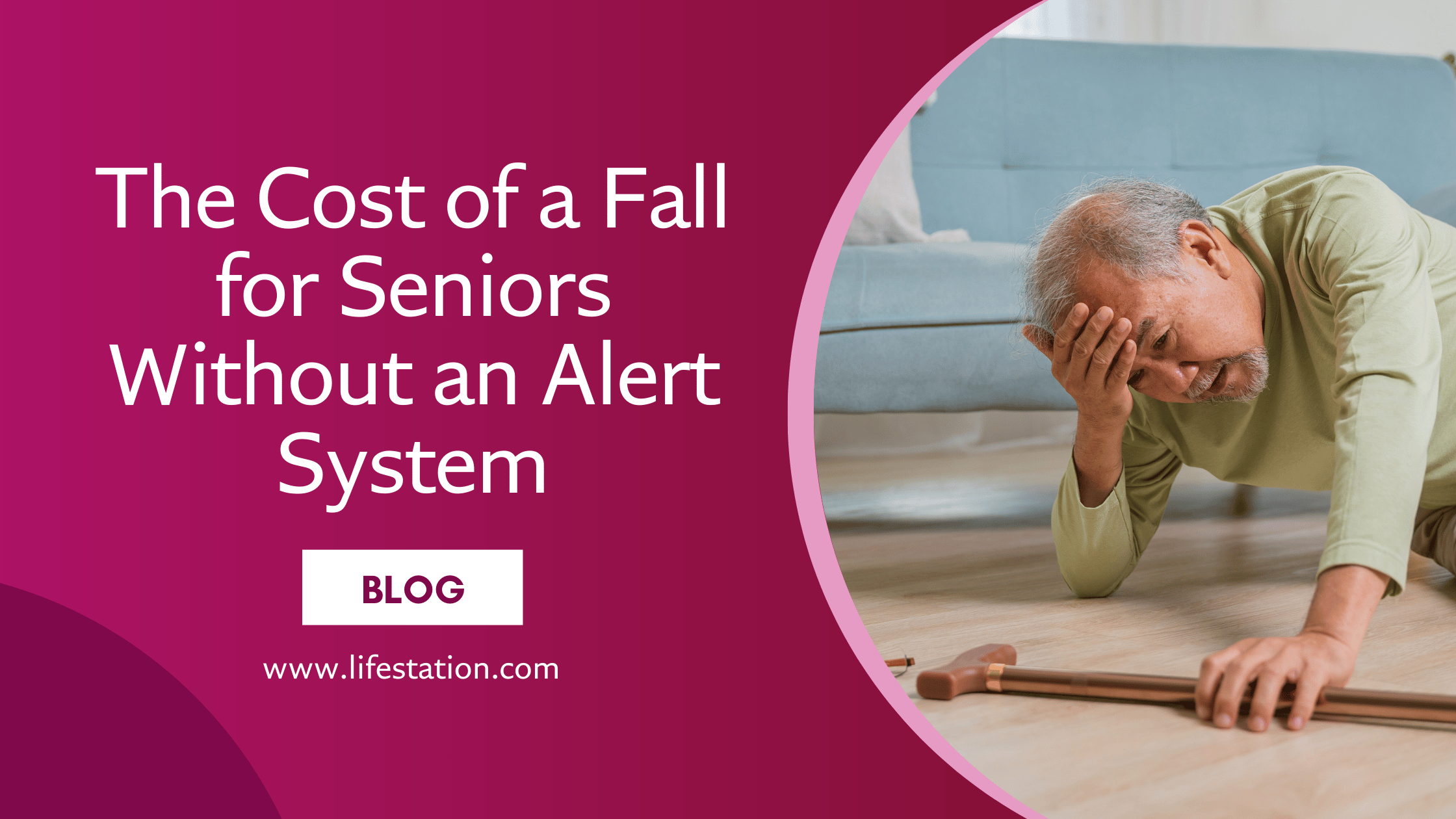
Each year, nearly a quarter of older adults experience a fall, according to the Centers for Disease Control and Prevention. For this age group, a fall is not just a minor event, it’s the most common cause of injury and a major contributor to reduced mobility, hidden injuries, and even long-term disability. If a senior can’t get up after a fall, knowing how to respond is critical, not only to prevent further injury but to protect their long-term health and independence.
Step-by-Step Instructions: If a Senior Falls and Can’t Get Up
1. Stay Calm and Assess Their Condition
Whether you’re the senior or a family member nearby, the first step is to stay calm. If the older person is unresponsive, has a suspected head injury, or complains of severe pain, call emergency services immediately. Do not move them, doing so could worsen a broken bone, hip fracture, or spinal injury.
Keep the person lying flat and still until professional medical attention arrives.
2. If Injuries Are Minor, Help Them Up Slowly and Safely
If the senior is alert and says they do not feel pain in the head, hips, or back, and no obvious injury is visible, Only attempt to help them up if they are fully alert, not in pain, and able to follow instructions. If there is any doubt, call emergency services, otherwise:
How to Help a Senior into a Standing Position:
- Place a sturdy chair next to the person’s head.
- Help them roll onto one side, gently supporting the hips and shoulders.
- Guide them to bring their arms underneath the body.
- Help lift the hips, moving them into a hands and knees position.
- Encourage the person to place both hands on the chair for support.
- Assist as they bring one knee forward so the foot is flat on the floor.
- While they push up using their legs and arms, you provide stability.
- Once upright, help them turn and sit down carefully to rest in a seated position.
If you need more of a visual aid then this video from Caring Senior Service will help understand the steps above.
Step 3: Monitor for Hidden Injuries After the Fall
Even if the senior appears uninjured, it’s important to stay alert. Less than half of older adults tell their doctor about a fall, and yet, repeated falls often stem from undiagnosed problems like poor vision, medication side effects, or reduced mobility.
Monitor them for:
- Headaches or confusion (potential head injury)
- Bruising or swelling
- Changes in walking ability
- Sudden frequent falls
If anything seems off, seek assistance from a doctor to check for hidden injuries or underlying risk factors.
Step 4: Prevent Falls Before They Happen
Helping a senior recover from a fall is only half the picture. The next step is reducing the chance of it happening again.
How to prevent falls in the home:
- Install grab bars in bathrooms and stairwells.
- Remove tripping hazards like loose rugs and cords.
- Ensure good lighting in all rooms.
- Schedule an occupational therapy or physical therapy evaluation.
- Use proper walking aids for those with reduced mobility or vision problems.
LifeStation has created this useful blog to give you more ideas about how to help prevent falls from happening at home.
Why a Medical Alert System Makes a Difference
A fall can happen when no one is around to call for help. In fact, older adults who live alone are especially likely to fall without anyone nearby to assist. That’s where a medical alert system becomes more than a convenience, it’s a lifeline.
With fall detection features, emergency monitoring, and one-touch access to emergency services, LifeStation’s systems ensure that if a senior falls and can’t get up, help is never far away, even when family members can’t be there in person.
A partir de $38,95 al mes
- Sidekick en Casa – In-home protection starting at $38.95
- Sidekick SMART – Smartwatch medical alert starting at $50.95
- Perla – Colgante discreto móvil a partir de $42,95
SeniorLiving.org Tiene su opinión sobre los dispositivos de alerta LifeStation médica
“LifeStation Se centra en las características que son importantes para mantenerte a salvo”
Final Thought
Falls are unpredictable, but your response doesn’t have to be. By knowing exactly what to do if a senior falls and can’t get up, you’re protecting not just their immediate safety but their long-term well-being and independence. With the right support, from proper technique to tools like sistemas de alerta médica, both you and your elderly loved one will feel more secure, every day.
Call LifeStation now on 800-554–4600 o find the right product for you online en pocos minutos.
Disclaimer: This information is for educational purposes only and is not a substitute for professional medical advice. If a fall involves severe pain, head injury, or uncertainty, call emergency services immediately.
Obtenga ahora lo mejor en servicios de alerta médica
Solicitar información sobre alertas médicas
Al hacer clic en el botón Solicitar folleto de arriba, está proporcionando una firma electrónica que certifica que nuestra empresa y nuestras filiales tienen su consentimiento para ponerse en contacto con usted en el número de teléfono proporcionado utilizando un marcador automático o un mensaje pregrabado de acuerdo con nuestras Condiciones de uso. Tenga en cuenta que no está obligado a comprar nada a las empresas que puedan ponerse en contacto con usted. Los proveedores de servicios sanitarios y cualquier persona interesada en obtener más información sobre cómo trabajar con LifeStation, pueden ponerse en contacto con el departamento de desarrollo empresarial de LifeStation. Al introducir una dirección de correo electrónico, acepta recibir periódicamente mensajes de LifeStation. Puede darse de baja de estos correos electrónicos en cualquier momento. LifeStation.com nunca venderá, intercambiará, alquilará o cederá su información personal sin su permiso. Valoramos y respetamos su confianza.