Peace of Mind & Independence is One Call Away
(888) 493-1475 - Click to Call get a FREE MONTH of service.
Every minute counts. Knowing what to do after a fall can be the difference between full recovery and a serious injury.
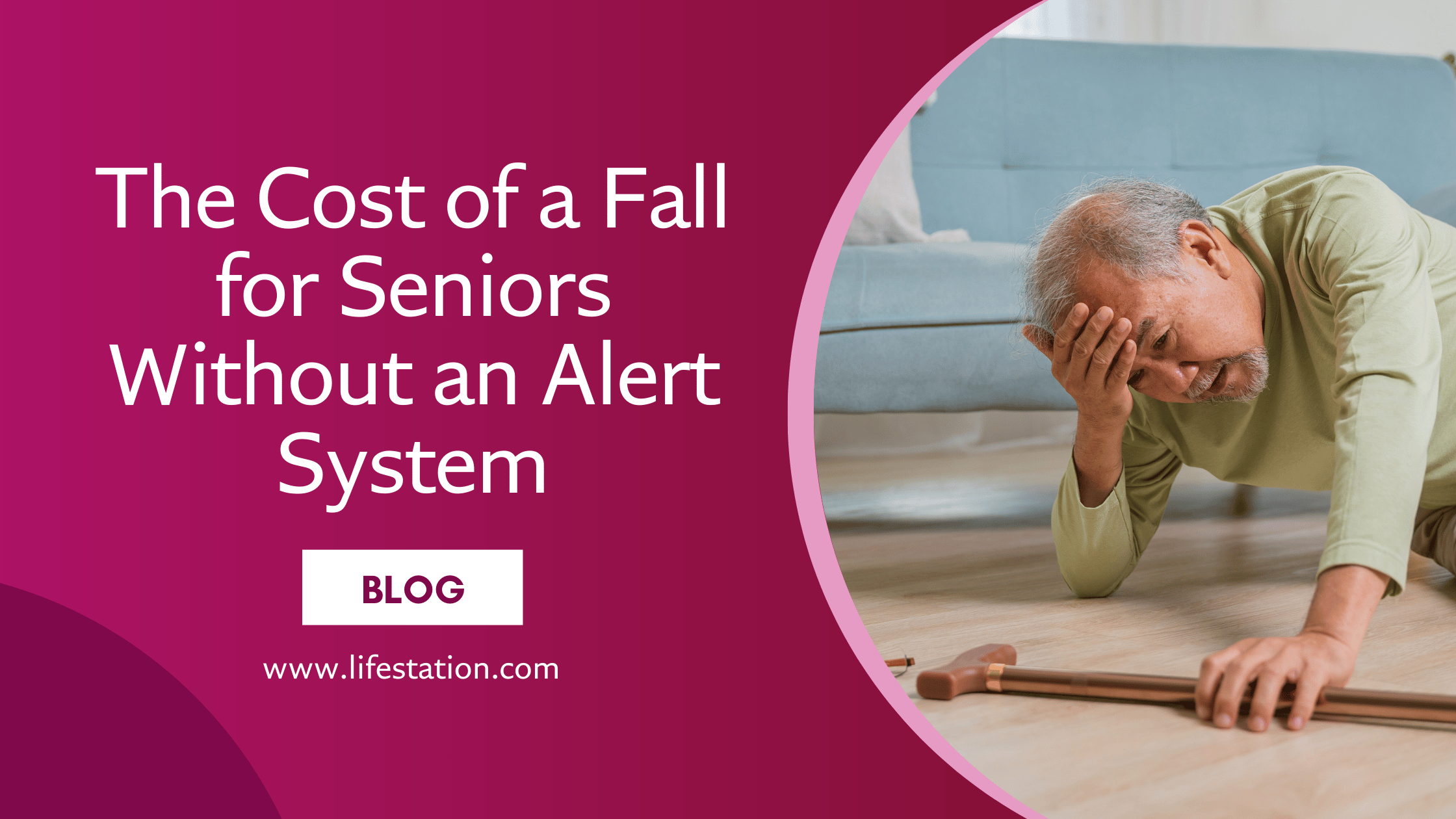
Each year, nearly a quarter of older adults experience a fall, according to the Centers for Disease Control and Prevention. For this age group, a fall is not just a minor event, it’s the most common cause of injury and a major contributor to reduced mobility, hidden injuries, and even long-term disability. If a senior can’t get up after a fall, knowing how to respond is critical, not only to prevent further injury but to protect their long-term health and independence.
Step-by-Step Instructions: If a Senior Falls and Can’t Get Up
1. Stay Calm and Assess Their Condition
Whether you’re the senior or a family member nearby, the first step is to stay calm. If the older person is unresponsive, has a suspected head injury, or complains of severe pain, call emergency services immediately. Do not move them, doing so could worsen a broken bone, hip fracture, or spinal injury.
Keep the person lying flat and still until professional medical attention arrives.
2. If Injuries Are Minor, Help Them Up Slowly and Safely
If the senior is alert and says they do not feel pain in the head, hips, or back, and no obvious injury is visible, Only attempt to help them up if they are fully alert, not in pain, and able to follow instructions. If there is any doubt, call emergency services, otherwise:
How to Help a Senior into a Standing Position:
- Place a sturdy chair next to the person’s head.
- Help them roll onto one side, gently supporting the hips and shoulders.
- Guide them to bring their arms underneath the body.
- Help lift the hips, moving them into a hands and knees position.
- Encourage the person to place both hands on the chair for support.
- Assist as they bring one knee forward so the foot is flat on the floor.
- While they push up using their legs and arms, you provide stability.
- Once upright, help them turn and sit down carefully to rest in a seated position.
If you need more of a visual aid then this video from Caring Senior Service will help understand the steps above.
Step 3: Monitor for Hidden Injuries After the Fall
Even if the senior appears uninjured, it’s important to stay alert. Less than half of older adults tell their doctor about a fall, and yet, repeated falls often stem from undiagnosed problems like poor vision, medication side effects, or reduced mobility.
Monitor them for:
- Headaches or confusion (potential head injury)
- Bruising or swelling
- Changes in walking ability
- Sudden frequent falls
If anything seems off, seek assistance from a doctor to check for hidden injuries or underlying risk factors.
Step 4: Prevent Falls Before They Happen
Helping a senior recover from a fall is only half the picture. The next step is reducing the chance of it happening again.
How to prevent falls in the home:
- Install grab bars in bathrooms and stairwells.
- Remove tripping hazards like loose rugs and cords.
- Ensure good lighting in all rooms.
- Schedule an occupational therapy or physical therapy evaluation.
- Use proper walking aids for those with reduced mobility or vision problems.
LifeStation has created this useful blog to give you more ideas about how to help prevent falls from happening at home.
Why a Medical Alert System Makes a Difference
A fall can happen when no one is around to call for help. In fact, older adults who live alone are especially likely to fall without anyone nearby to assist. That’s where a medical alert system becomes more than a convenience, it’s a lifeline.
With fall detection features, emergency monitoring, and one-touch access to emergency services, LifeStation’s systems ensure that if a senior falls and can’t get up, help is never far away, even when family members can’t be there in person.
Starting at $38.95/month
- Sidekick Home – In-home protection starting at $38.95
- Sidekick SMART – Smartwatch medical alert starting at $50.95
- Pearl – Discrete mobile pendant starting at $42.95
SeniorLiving.org has its say on LifeStation medical alert devices
“LifeStation focuses on the features that matter for keeping you safe”
Final Thought
Falls are unpredictable, but your response doesn’t have to be. By knowing exactly what to do if a senior falls and can’t get up, you’re protecting not just their immediate safety but their long-term well-being and independence. With the right support, from proper technique to tools like medical alert systems, both you and your elderly loved one will feel more secure, every day.
Call LifeStation now on 800-554–4600 or find the right product for you online in minutes.
Disclaimer: This information is for educational purposes only and is not a substitute for professional medical advice. If a fall involves severe pain, head injury, or uncertainty, call emergency services immediately.
Get the Best in Medical Alert Services Now
Request Medical Alert Information
By clicking the Request Brochure button above, you are providing an electronic signature certifying that our company and our affiliates have your consent to contact you at the provided telephone number using an autodialer or prerecorded message in accordance with our Terms of Use. Please note that you are not required to purchase anything from the companies that may contact you. Healthcare providers and anyone interested in getting more information about working with LifeStation, please contact LifeStation business development. By entering an email address, you agree to receive emails periodically from LifeStation. You can unsubscribe from these emails at any time. LifeStation.com will never sell, trade, rent or give away your personal information without your permission. We value and respect your trust in us.