Medical Alert System for Fall Risk
Reliable support for seniors with an increased fall risk

Medical Alert System for Fall Risk
Reliable support for seniors with an increased fall risk

Medical Alert System for Fall Risk
Reliable support for seniors with an increased fall risk

Medical Alert System for Fall Risk
Reliable support for seniors with an increased fall risk

5 3448 3,400+ 5 Star Reviews

A slip can happen in the quietest moments. A slight shift in balance while stepping out of the shower or reaching for a countertop can place someone on the floor before they have time to call out. A medical alert system for fall risk turns that moment into one where trained support is only a button away, and a wearable device keeps that option within reach during the routines that matter most. Mobile devices with GPS technology add another layer of security by guiding emergency services directly to your location when help is requested.LifeStation connects each call to a monitoring center with an average response time below 15 seconds, far quicker than the 50, 60, and even 90-second average response times from many competitors. A specialist speaks through the two-way speaker to understand what happened and decide whether to contact family members, first responders, or emergency services. The alert system works through a secure cellular connection, so protection follows you from room to room and on the go, even when a landline is unavailable.

Optional automatic fall detection can be added for those who want technology that can identify hard falls or sudden speed changes and send an alert when a button cannot be reached. With straightforward monthly plans and a free trial period, LifeStation offers a medical alert system that supports independence while preparing for the moments when balance shifts unexpectedly.
A slip can happen in the quietest moments. A slight shift in balance while stepping out of the shower or reaching for a countertop can place someone on the floor before they have time to call out. A medical alert system for fall risk turns that moment into one where trained support is only a button away, and a wearable device keeps that option within reach during the routines that matter most. Mobile devices with GPS technology add another layer of security by guiding emergency services directly to your location when help is requested.

LifeStation connects each call to a monitoring center with an average response time below 15 seconds, far quicker than the 50, 60, and even 90-second average response times from many competitors. A specialist speaks through the two-way speaker to understand what happened and decide whether to contact family members, first responders, or emergency services. The alert system works through a secure cellular connection, so protection follows you from room to room and on the go, even when a landline is unavailable.

Optional automatic fall detection can be added for those who want technology that can identify hard falls or sudden speed changes and send an alert when a button cannot be reached. With straightforward monthly plans and a free trial period, LifeStation offers a medical alert system that supports independence while preparing for the moments when balance shifts unexpectedly.

LifeStation

Request Medical Alert Information

By clicking the Request Brochure button above, you are providing an electronic signature certifying that our company and our affiliates have your consent to contact you at the provided telephone number using an autodialer or prerecorded message in accordance with our Terms of Use. Please note that you are not required to purchase anything from the companies that may contact you. Healthcare providers and anyone interested in getting more information about working with LifeStation, please contact LifeStation business development. By entering an email address, you agree to receive emails periodically from LifeStation. You can unsubscribe from these emails at any time. LifeStation.com will never sell, trade, rent or give away your personal information without your permission. We value and respect your trust in us.

Talk To an Expert & Order Your Medical Alert Systems for Mental Health Today!

Small, Lightweight, Mobile

A person falling with an arrow indicating motion icon
Fall Detection

Fall Detection sensor notifies us when a fall occurs. Monitoring center specialists contact you right away.¹

Compass illustration
Enhanced Location Services

With our proprietary algorithm utilizing GPS and WiFi, Mobile LTE provides the most accurate location information available.

Water droplets illustration
Water-Resistant

Comfortably wear in the shower for 24/7 protection, but don’t submerge.

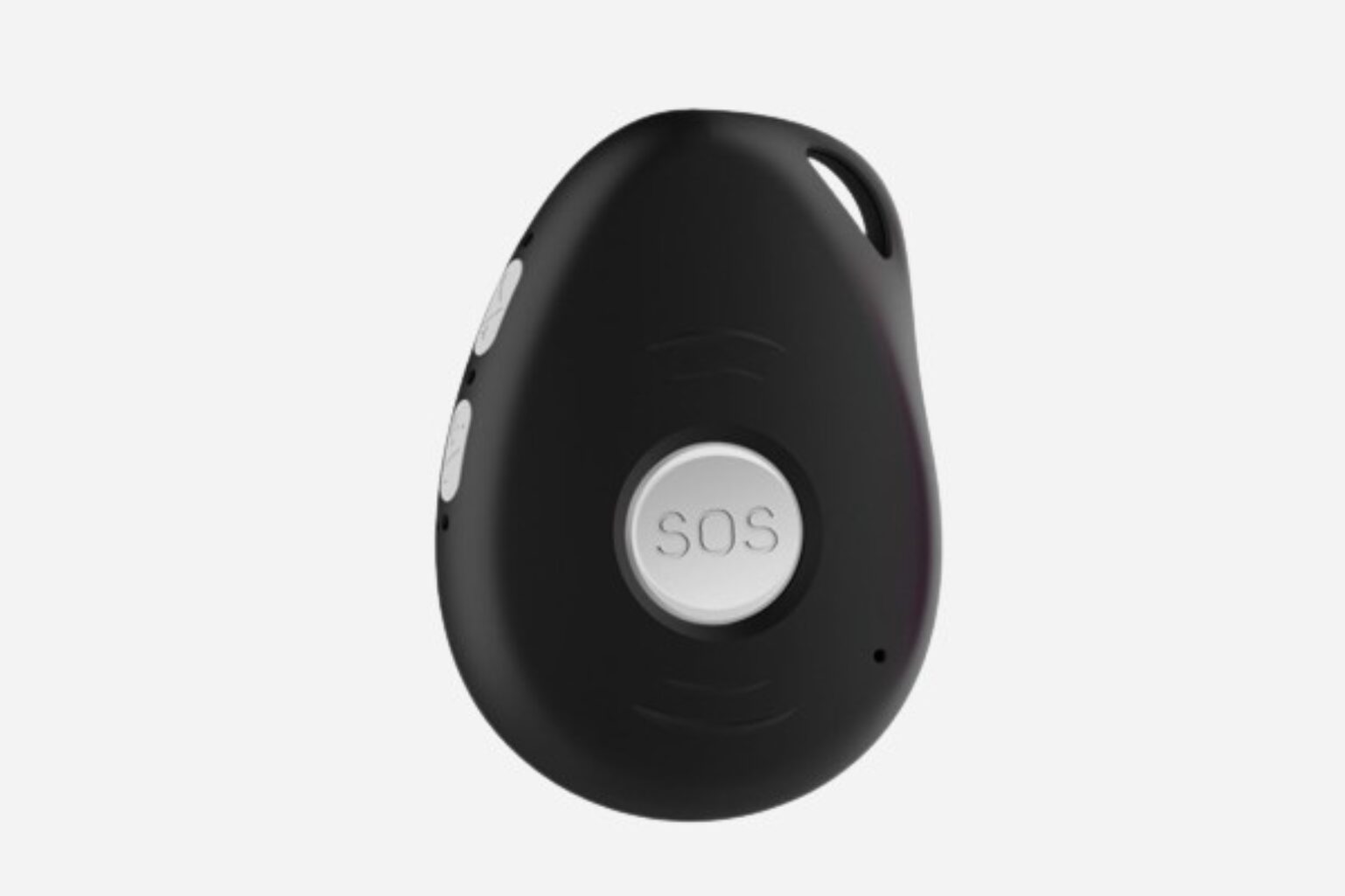
Sidekick front
Scale with feather illustration
Small & Lightweight

At just 1.4 ounces, our lightweight Sidekick unit allows you go to out and about without feeling weighed down.

Cell tower illustration
Most Reliable Network

The AT&T 4G LTE network is the most powerful nationwide service available, allowing us to monitor anywhere in the US.

Button illustration
Test button

Easily test the system with a button right on your Sidekick device. Have confidence at all times, knowing you’re ready for any emergency.

A person falling with an arrow indicating motion icon
Fall Detection

Fall Detection sensor notifies us when a fall occurs. Monitoring center specialists contact you right away.¹

Compass illustration
Enhanced Location Services

With our proprietary algorithm utilizing GPS and WiFi, Mobile LTE provides the most accurate location information available.

Water droplets illustration
Water-Resistant

Comfortably wear in the shower for 24/7 protection, but don’t submerge.

Scale with feather illustration
Small & Lightweight

At just 1.4 ounces, our lightweight Sidekick unit allows you go to out and about without feeling weighed down.

Cell tower illustration
Most Reliable Network

The AT&T 4G LTE network is the most powerful nationwide service available, allowing us to monitor anywhere in the US.

Button illustration
Test button

Easily test the system with a button right on your Sidekick device. Have confidence at all times, knowing you’re ready for any emergency.

How It Works

  • Hand holding medical alert button
    Press your device's help button
  • Silhouette of operator on headset illustration
    We answer your call in seconds
  • Text messages illustration
    Quickly assess the situation
  • Ambulance illustration
    Help is on the way

Fast, Reliable Help In Any Emergency

Peace of mind with best in class service and experience

  • 24 hour clock illustration

    24/7 US-Based Monitoring

    With monitoring centers in New Jersey and Texas, our certified care specialists are always on call for any medical alert emergency.

  • Money back illustration

    30 Day Money-Back Guarantee

    Try our Sidekick mobile medical alert system for 30 days. If you’re not satisfied, send back your system and we’ll issue a full refund.

  • Stopwatch illustration

    Fastest Response Time

    You get one of the fastest response times in the medical alert industry 24/7 from our TMA award-winning, UL-listed, CSAA Five Diamond senior alert monitoring center.

24 hour clock illustration

24/7 US-Based Monitoring

With monitoring centers in New Jersey and Texas, our certified care specialists are always on call for any medical alert emergency.

Money back illustration

30 Day Money-Back Guarantee

Try our Sidekick mobile medical alert system for 30 days. If you’re not satisfied, send back your system and we’ll issue a full refund.

Stopwatch illustration

Fastest Response Time

You get one of the fastest response times in the medical alert industry 24/7 from our TMA award-winning, UL-listed, CSAA Five Diamond senior alert monitoring center.

Why People with Fall Risk Choose LifeStation

Commitment to care, innovation, and reliability

Location Targeting
Faster, more reliable positioning

A medical alert system for fall risk becomes meaningful when everyday movement carries unpredictability. Many older adults want increased independence while still having a dependable alert system that connects them to immediate help the moment a fall occurs.

LifeStation places speed at the center of its service. A button press connects you to the monitoring center in an average response time below 15 seconds, and a trained emergency operator speaks through the two way speaker to understand what happened and decide whether to contact family members, first responders, or emergency services. 

Reliable performance matters as much as speed. Using a secure cellular plan, the monitoring center receives alerts from tested medical alert systems that work consistently throughout the home, outdoors, or on the go, and GPS location technology helps emergency services reach you quickly when verbal contact is limited. 

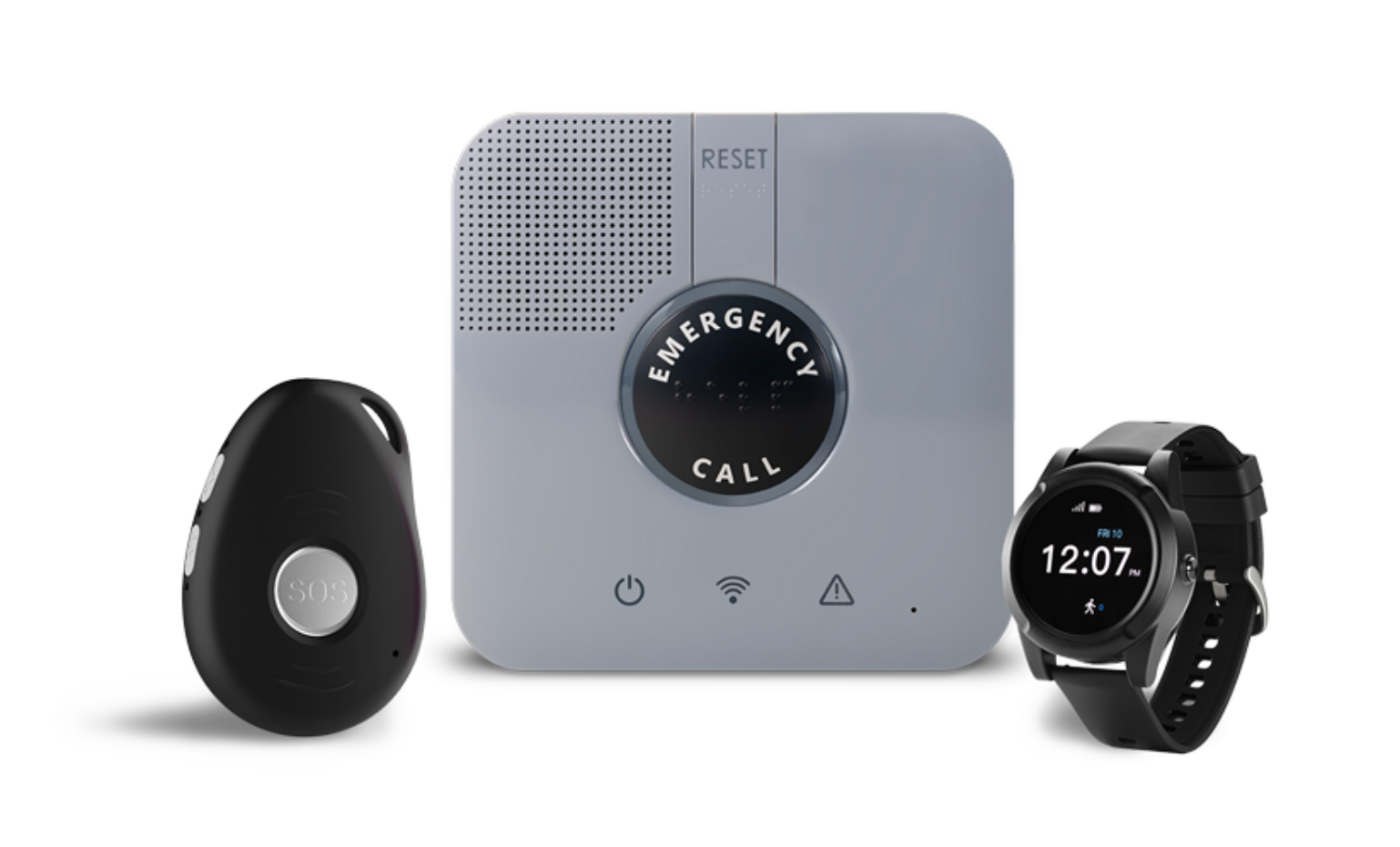
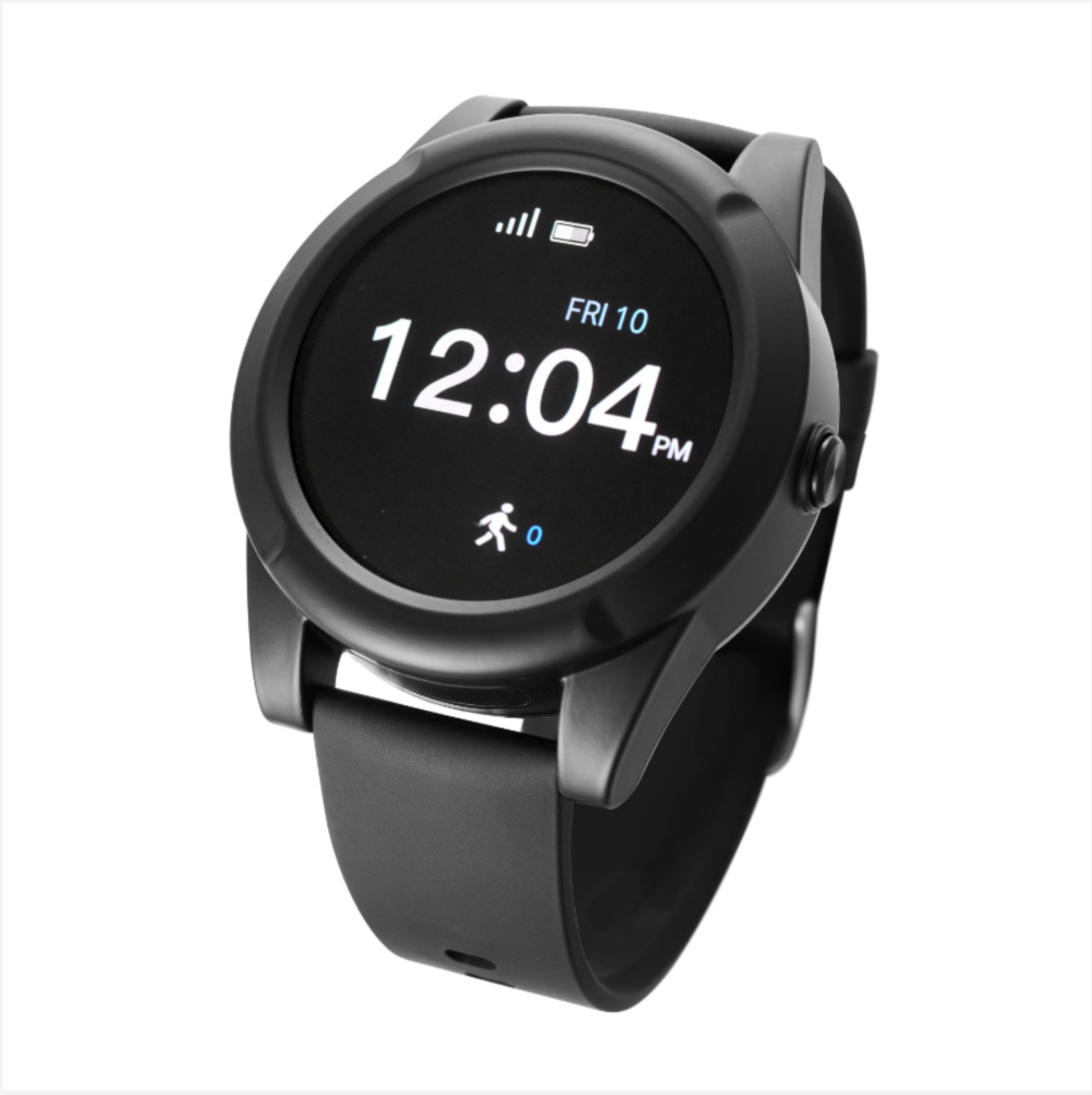
Wearable devices such as the Pearl or the Sidekick Smart are light, water resistant, and comfortable for long periods of use, which encourages daily wearing habits that reduce long lie events after a fall. LifeStation offers one of the best medical alert systems for fall risk and provides a straightforward way to feel supported during the everyday moments where balance matters most.

Aerial view of a residential neighborhood with a red location pin, representing the availability of medical alert systems for eligible individuals at home.
How Fall Detection Works for Real Falls
Protection when you can't press the button

A fall detection device reacts to movement patterns that change suddenly. The system reads motion through sensors that measure acceleration, direction, and the shift from a standing position to the ground in a fraction of a second. This combination allows the device to detect falls that create high acceleration force or noticeable drops in height and send an alert automatically when a button cannot be reached.

Accurate fall detection depends on more than speed. Most fall detection devices also track pressure changes, which helps the device understand when the body moves from an upright level to the floor in a slower descent that still requires immediate help. This added layer of fall detection technology supports older adults who experience quiet slips rather than dramatic impacts and reduces the chance of a false alarm during routine movement. It’s important to note that no fall detection device is 100% accurate, but they are increasingly accurate and have proven to be a reliable safety partner.

Wearable devices with automatic fall detection remain water resistant and light enough for daily comfort, which encourages consistent use in bathrooms, hallways, and outdoor spaces where falls occur most often.

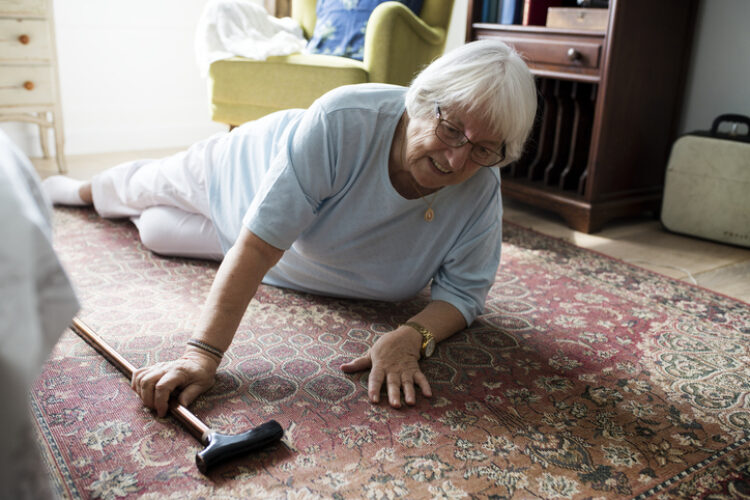
Elderly woman on the floor reaching for her cane after a fall, emphasizing the importance of medical alert systems for quick assistance.
Location Tracking & “Find My Loved One” Text Alerts
Instantly locate your loved one with a text message

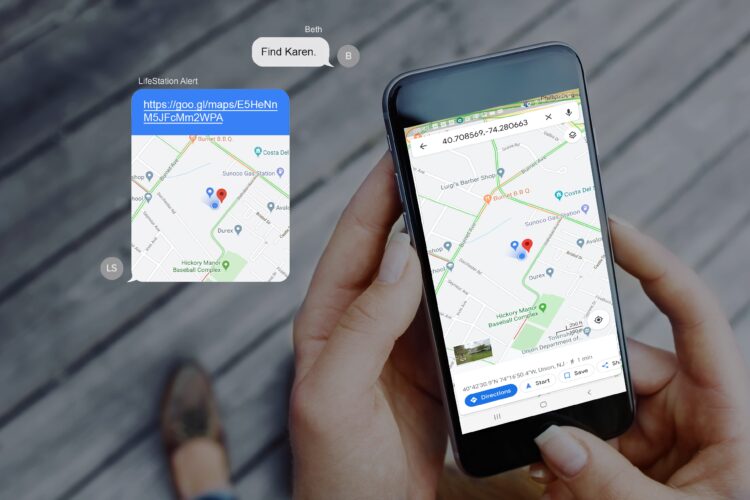
LifeStation’s GPS location tracking and Find My Loved One text-alert feature help close any gaps that appear when falls are a genuine risk. With a simple text message, family members receive accurate location tracking in real time. It’s a practical way to stay informed during errands, travel, or any moment when plans change unexpectedly.

If the medical alert button is pressed or automatic fall detection is triggered, LifeStation’s mobile system immediately sends GPS data through the cellular network to the monitoring center. A trained emergency operator follows the user’s plan, contacting emergency contacts, coordinating with emergency personnel, or requesting emergency services as needed. Whether you’re using an on the go system or a home-based setup, LifeStation’s medical alert services help ensure emergency support can find you quickly, without added stress or delay.

Person using a smartphone to track a location on a map, illustrating GPS tracking capabilities of medical alert systems.
When Every Second Counts
How Medical Alert Systems Work

LifeStation’s personal emergency response services respect independence while providing reliable backup. When an emergency call is triggered, whether by pressing the medical alert button or through automatic fall detection, the monitoring center follows the user’s personalized care plan first. A trained emergency operator may check in using two-way communication, contact an emergency contact, or review stored medical history before escalating. This approach ensures the alert system responds appropriately without unnecessary intervention.

Emergency services are contacted only when the situation clearly requires it. If the user cannot respond, appears injured, or a serious medical emergency is detected, LifeStation’s operators act quickly, coordinating with emergency responders using precise location data. With fast response times, dependable cellular coverage, and strong battery life, LifeStation works reliably whether you’re using an at home system during a power outage or a mobile system while on the go. The result is balanced, professional emergency assistance, delivered at the right moment, without overreaction.

Team of operators with headsets monitoring medical alert systems, ensuring rapid response for emergencies.

Specifications

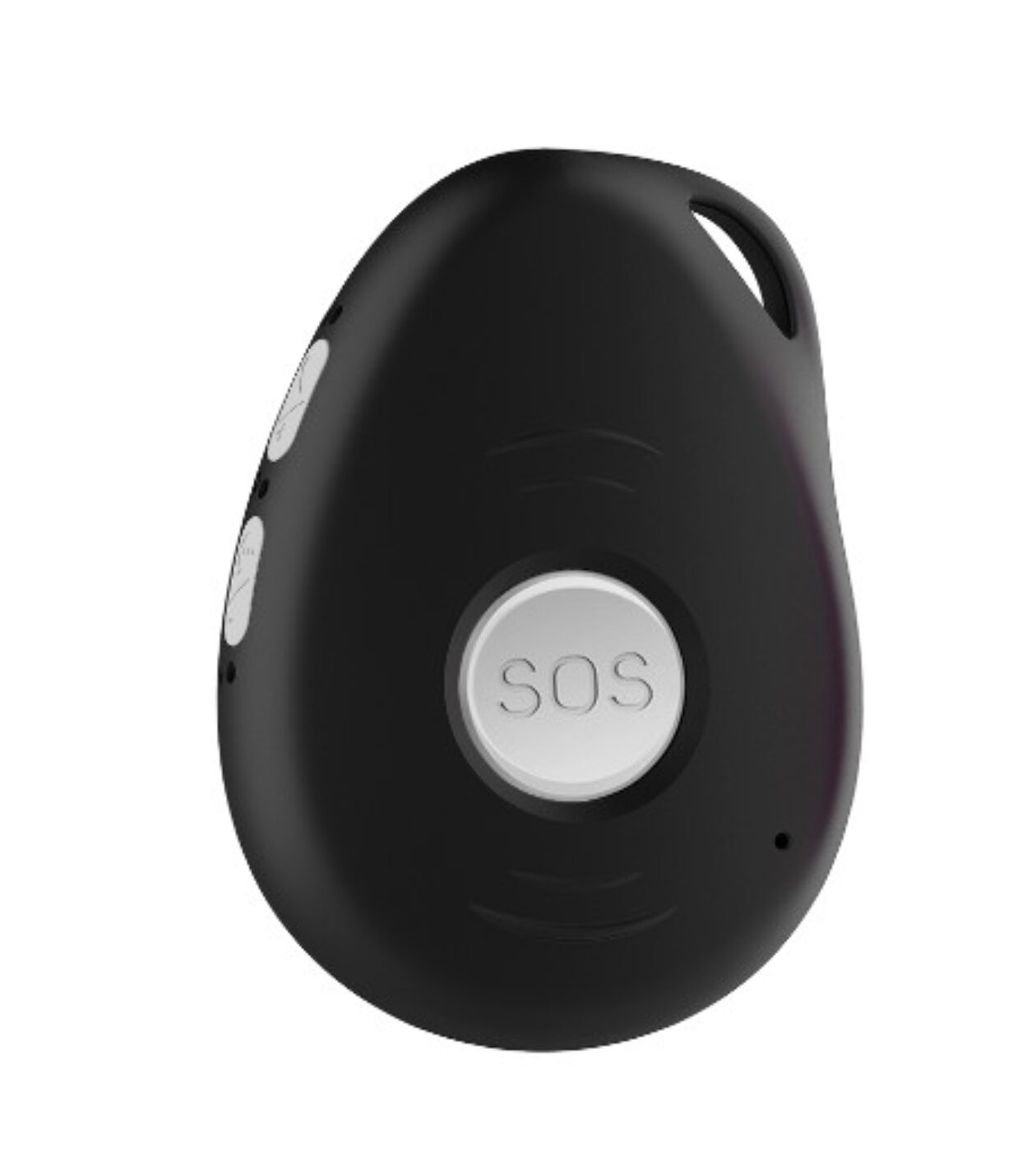
With LifeStation Sidekick, you get 24/7/365 protection anywhere nationwide.

This compact, fully mobile system runs on AT&T’s cellular network, the fastest & most reliable LTE system nationwide, and uses our TMA award-winning monitoring center to get help as fast as possible.

LifeStation Sidekick gives you with the following innovative features:

  • Award-Winning Senior Monitoring
  • Powerful Speaker
  • Sensitive Microphone
  • Nationwide Cellular Coverage
  • Enhanced Location Services
  • Extended Battery Life
  • Waterproof
  • Works with Amazon Alexa
  • Fall Detection and Lockbox (Optional Add-Ons)
  • Cellular
    • 3G: Bands 2,4,5
    • LTE CAT1: Bands 2, 4, 12
  • Over-The-Air (OTA) Device Firmware Updates
  • Location Technology
    • GPS (GPS & International GNSS)
    • WiFi
  • Usability & Accessibility
    • Loud, Clear Speaker
    • Sensitive Microphone
    • Dedicated Test Button
  • Accelerometer Based Fall Detection
  • Intuitive User Experience Allows for Easily Cancellable Alarm with Voice Prompts
  • Haptic Feedback – Vibration Motor
  • Available Attachments: Lanyard, Belt Clip, Wristband, Armband (subject to MOQ)

Talk To an Expert & Order Your Medical Alert Systems for Mental Health Today!

Frequently Asked Questions

What kinds of falls can an automatic fall detection device identify?

Most fall detection devices recognize fast drops, sudden speed changes, and the shift from a standing position to the floor. The algorithm reads acceleration data and pressure changes to distinguish real falls from routine motion, which means a hard fall in the hallway or a quiet slide beside the bed can still send an alert.

How does the monitoring center decide what happens after a detected fall?

A detected fall creates an immediate notification for the monitoring center, and a trained emergency operator attempts verbal contact through the two way speaker. If the user cannot respond or sounds disoriented, the operator follows the care plan and arranges appropriate help, which may include first responders or nearby family members.

What if someone falls in a place where GPS signals are weak?

Mobile devices blend gps technology with cellular triangulation to create location accuracy even in areas with limited visibility to satellites. This helps operators pinpoint a user during falls that happen in driveways, apartment courtyards, or parking structures where visibility varies.

Are fall detection devices worn around the neck more accurate than wrist devices?

Many fall detection studies show that devices worn as chest-level pendants often detect falls more effectively. The center-of-mass placement gives the automatic fall detection device a clearer picture of acceleration and direction changes during real falls, which improves detection quality for older adults with balance issues.

What situations tend to cause the most fall detection alerts?

Most alerts occur in places where balance changes quickly, such as stepping onto a wet bathroom floor, turning sharply in a kitchen, or standing up at night when vision has not adjusted. These are moments when falls occur quietly, and the fall detection service can reach the monitoring center even before a user can reach the button.

How often should the alert system be tested at home?

A weekly test helps confirm reliable performance and keeps users familiar with the device. A simple testing experience, such as pressing the button in the hallway and speaking with the operator, builds confidence long before a real emergency.

Does adding fall detection change how the alert system works day to day?

No. Optional fall detection activates only when the device senses movement patterns consistent with a fall. A user goes about their day as usual, whether preparing meals, gardening, or walking to the mailbox, and the alert system stays in the background unless a fall is detected or the button is pressed.

What happens during a nighttime fall when the house is quiet?

If a fall occurs at night, the medical alert device sends the signal the same way it does during daytime activity. A fall in a dark hallway or beside the bed is often harder to communicate during, so automatic fall detection and gps technology become valuable for older adults who may not be able to reach a phone or call out.

How long does it take emergency help to be dispatched after a detected fall?

LifeStation’s average response time is below 15 seconds, and the operator quickly determines whether the situation requires emergency services. This rapid sequence shortens the window between the fall and the arrival of help, which matters in preventing long lie events.

Insurance Discounts Available To You

Submit your information to receive details on your exclusive monitoring savings.

Insurance Discounts Available To You

Submit your information to receive details on your exclusive monitoring savings.

Insurance Discounts Available To You

Submit your information to receive details on your exclusive monitoring savings.

Insurance Discounts Available To You

Submit your information to receive details on your exclusive monitoring savings.

By submitting this from and pressing the continue button (1) you understand that using an electronic signature to express written consent to receive emails, telephone calls, text messages, artificial or pre-recorded messages from LifeStation, its affiliates, and/or any third-party partners (or service provider partners on their behalf), (2) you understand that you may be contacted at the email address and/or telephone number you provided, including your wireless phone number (if provided) utilizing an automated telephone dialing system or robocall, even if you are on the federal or a state government do-not-call registry, and (3) you agree to this website’s Privacy Policy and Terms of Use. You understand that your consent is not required as a condition of purchase and that you may revoke your consent at any time. Message and data rates may apply. There is no obligation to purchase.