Peace of Mind & Independence is One Call Away
(888) 493-1475 - Click to Call get a FREE MONTH of service.
Every minute without emergency response reduces survival chances by up to 10%, according to the American Heart Association.
A medical alert system response time defines how quickly a medical alert system connects a user to a monitoring center during a medical emergency. That moment sets everything in motion. The American Heart Association reports that survival rates in cardiac arrest drop by 7 to 10% for every minute without intervention, which highlights how emergency services depend on speed from the very first emergency calls.
Medical alert devices shorten that gap. A medical alert system connects users through a professional monitoring center using two way communication, allowing emergency responders or emergency contacts to be alerted without delay. For older adults using a personal emergency response system, that connection often begins with a wearable device or base unit that must work instantly when needed.
LifeStation medical alert services focus on maintaining the fastest average response time in the medical alert system industry so that emergency response agents begin assessing the situation as quickly as possible.
How Emergency Response Time Impacts What Happens Next
Emergency response protocols are built around measurable time windows. In stroke care, the American Stroke Association reports that approximately 1.9 million brain cells are lost each minute treatment is delayed. That figure is not theoretical. It is used to guide how quickly emergency responders act once a situation is identified.
The same principle applies across emergency services. LifeLine EMS notes that faster response allows teams to stabilize patients sooner and transport them more efficiently to the right facility. That early window is where decisions are made. It is where responders determine severity, required resources, and next steps.
A delay at the start shifts everything that follows. Emergency calls are placed later. Emergency responders begin assessment later. Transport begins later. Each step still happens, but it happens on a delayed timeline.
This is where a medical alert system fits into the sequence. A medical alert system connects a user to a monitoring center that acts as the response center for that first decision. Through two way communication, emergency response agents assess the situation and contact emergency services or emergency contacts based on what is happening in real time.
Response time does not sit in isolation. It defines how quickly the entire emergency response process begins.
Read our full guide to medical alert systems.
What Determines Medical Alert System Response Time in Real Conditions
Medical alert system response time is not a fixed number. It is the result of how quickly several parts of the system operate together in real time.
The monitoring center is the first factor. A professional monitoring center must be continuously staffed so incoming alerts are answered immediately. Response time depends on how quickly emergency response agents receive and act on that signal, not just how quickly it is sent.
Connection speed is the next piece. A medical alert system connects through a base unit or mobile device, and that connection must transmit instantly when activated. In mobile medical alert systems, GPS technology allows the monitoring center to identify the user’s location without relying on additional steps.
Device performance also affects timing. A wearable device or fall detection device must trigger without delay when used. Optional fall detection supports this by initiating emergency calls when a user cannot press the button manually.
Two way communication completes the process. Once the system connects, clear communication allows the response center to assess the situation and contact emergency services or emergency contacts without hesitation.
Medical alert systems work as a sequence. Each part contributes to the average response time. When those elements operate without delay, the connection to help begins exactly when it should.
What a Strong Medical Alert System Response Time Looks Like in Practice
Response time is measured in seconds, not minutes. Most medical alert systems publish an average response time, but that number only reflects performance when the system is operating as intended.
LifeStation maintains an average response time of under 15 seconds. That means when a wearable device, base unit, or mobile medical alert system is activated, the connection to the monitoring center begins without delay and the next step in the emergency response process starts immediately.
A strong medical alert system response time means the monitoring center answers immediately when the alert is triggered. Emergency response agents begin two way communication without delay. The situation is understood quickly enough for emergency calls to be placed or emergency contacts to be notified without hesitation.
Consistency is what defines that performance. A response center must handle alerts the same way at all times, not just under ideal conditions. Emergency services rely on clear, early communication, and that depends on how reliably the system connects when activated.
Here is what LifeStation offers:
Starting at $38.95/month
Sidekick Home – In-home protection starting at $38.95
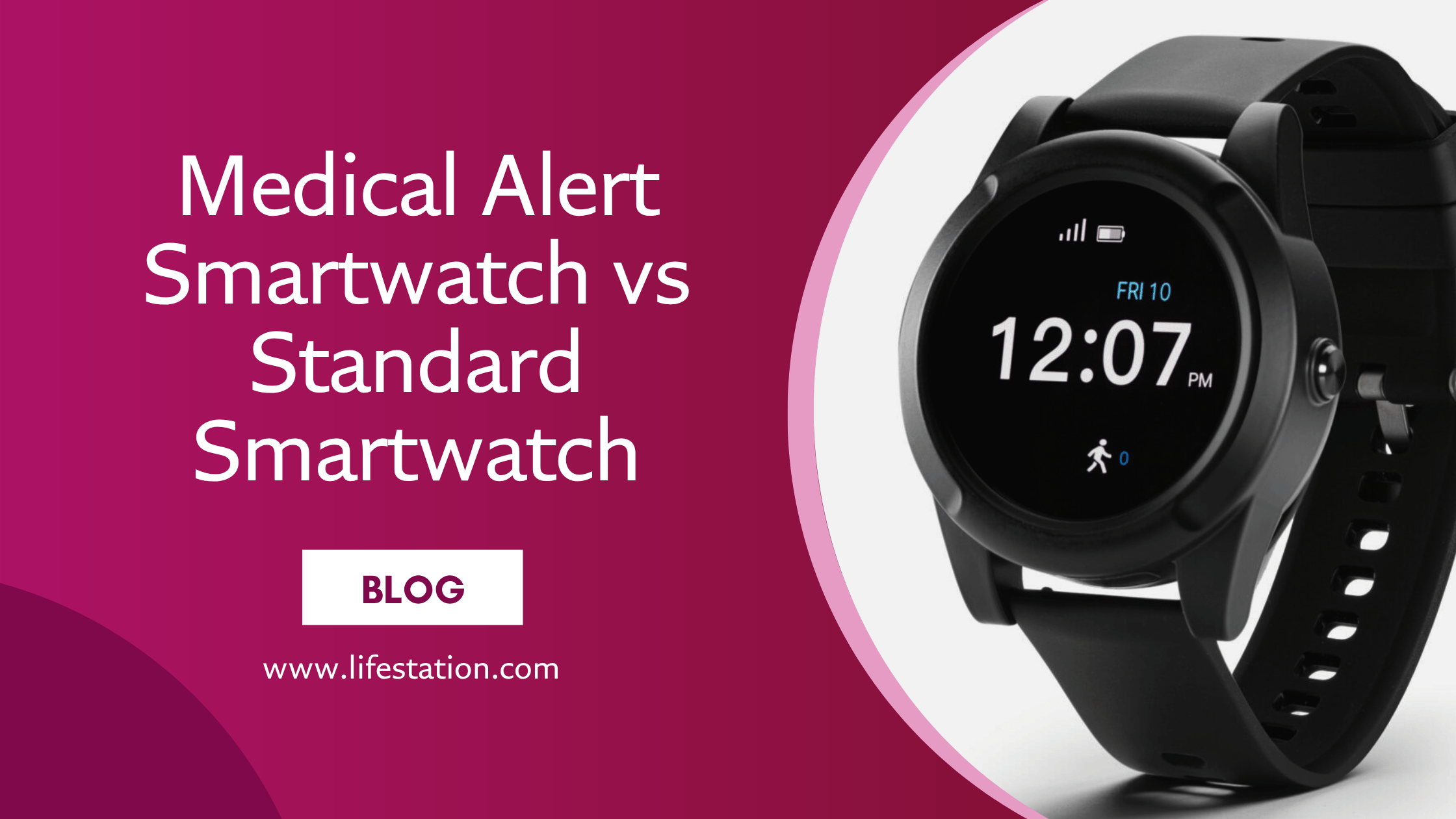
Sidekick Smart – Smartwatch protection starting at $42.95
Pearl – Lightweight mobile pendant starting at $42.95
Speak With Someone Who Can Help You Choose the Right Medical Alert System
Choosing a medical alert system comes down to how you want that first moment handled when something happens. The setup, the device, and how the system connects all play a role in how it performs when it is actually used.
Some people need an in-home system with a base unit. Others prefer mobile medical alert systems with GPS tracking and a wearable device that works outside the home. Features like automatic fall detection, battery life, and two way communication all shape how the system fits into daily life.
The best way to decide is to speak with someone who can walk through those options clearly and match the system to how it will be used.
Call 800-554-4600 to talk through your options and find the right medical alert system for your situation.
FAQs
How quickly will a LifeStation medical alert system respond when I press the button?
LifeStation connects you to a monitoring center in seconds, with an average response time under 15 seconds. When you press the help button on your wearable device or base unit, the signal goes through immediately and a trained operator answers right away.
What happens if my parent presses the button but can’t speak to the monitoring center?
LifeStation monitoring center specialists are trained to handle silent or limited-response situations. If a user cannot speak, the system does not stop there. The operator treats the alert as active and moves forward with the response process.
That includes contacting emergency services directly or reaching out to emergency contacts, depending on the setup. The goal is to act on the alert itself, not wait for perfect communication.
Do LifeStation medical alert devices work outside the home with mobile medical alert systems?
Yes. LifeStation mobile medical alert systems use cellular networks and GPS tracking to stay connected outside the home. A mobile device allows the monitoring center to receive the alert and identify location through GPS technology without needing a base unit nearby.
This makes mobile systems a practical option for users who walk, travel, or spend time away from home during the day.
How does the fall detection feature work in real situations?
LifeStation’s fall detection feature uses built-in sensors within the wearable device to detect sudden movements that match a fall pattern. When that happens, the system sends an alert automatically to the monitoring center.
The operator then opens two way communication and begins assessing the situation. This is especially useful when the user cannot press the button themselves. Fall detection is available as an optional add-on and supports faster connection in those specific scenarios.
What should I test before relying on a medical alert system in an emergency?
You should test how the system connects to the monitoring center and how quickly a response is received. You can also check how the device performs in different areas of the home, especially with an in-home system that uses a base unit with extended range. For mobile systems, confirm that the device maintains connection outdoors and that GPS tracking works as expected.
LifeStation offers a 30-day trial period, which allows you to go through this testing process and confirm the system performs the way it should before fully committing.
Have more questions? Read our FAQ section if you need to know more.
Get the Best in Medical Alert Services Now
Request Medical Alert Information
By clicking the Request Brochure button above, you are providing an electronic signature certifying that our company and our affiliates have your consent to contact you at the provided telephone number using an autodialer or prerecorded message in accordance with our Terms of Use. Please note that you are not required to purchase anything from the companies that may contact you. Healthcare providers and anyone interested in getting more information about working with LifeStation, please contact LifeStation business development. By entering an email address, you agree to receive emails periodically from LifeStation. You can unsubscribe from these emails at any time. LifeStation.com will never sell, trade, rent or give away your personal information without your permission. We value and respect your trust in us.