Peace of Mind & Independence is One Call Away
(888) 493-1475 - Click to Call get a FREE MONTH of service.
When help isn’t immediate, the price of a fall grows by the hour.
The cost of a fall for seniors without an alert system starts the moment help isn’t there. One missed call, one long wait, one slow response—that’s where thousands of dollars and months of recovery begin. In 2026, a LifeStation medical alert system costs just over a dollar a day. But without it, a single fall can trigger expenses that affect not just your parent’s health, but their housing, mobility, and daily care.
Let’s break down the numbers. Hospital bills, rehab, in-home support, assisted living fees—we show what a delayed response really costs.
If a fall can cost $40,000, the smart money goes to prevention. Start with LifeStation.
The Emergency Response Timeline
Without an alert system, no one knows a fall has happened until someone finds the person—or they manage to call for help. That time gap turns a simple incident into a medical crisis.
Here’s how it unfolds:
- Minute 1–10: No alert, no response. The person may be on the floor, disoriented, or injured.
- Hour 1–4: No one checks in. Dehydration starts. Pressure injuries begin. The risk of blood clots rises.
- Hour 4–8+: Mental clarity declines. Muscle damage sets in. Hypothermia is a risk, even indoors.
- Hour 8–12+: By now, the cost of the fall isn’t just physical—it’s logistical. Hospital admission becomes mandatory. Recovery time triples.
These delays happen often, especially when seniors live alone. No one is avoiding help. The issue is that no system exists to send an alert when the person can’t.
A medical alert with fall detection eliminates that silence. The button never relies on someone being able to reach a phone. That’s what makes the difference between an incident and a crisis.
Medical Costs—What Delay Really Costs You
By the time a fall is discovered hours later, the body has already started paying. So does the family. One missed alert isn’t just the absence of help—it’s a multiplier for damage, treatment complexity, and systemwide costs.
Here’s what a full delayed-response cascade can actually cost, based on 2025 U.S. care rates:
Ambulance Transport
- Base cost: $1,200–$2,500
- Advanced life support: $2,000–$3,500
- Mileage surcharges: $15–$25 per mile
- Delay penalty: Extra charge if transfer time is extended due to condition decline
If a fall isn’t discovered until symptoms are serious—like altered consciousness or deep bruising—the ambulance is coded at a higher billing tier.
Emergency Room Admission
- Evaluation + imaging: $3,000–$6,000
- CT scan (head trauma): $1,500
- X-rays and bloodwork: $1,200–$1,800
- Observation stay (overnight, non-admit): $3,800–$5,000
- ER physician billing (separate): $400–$750
Falls with unknown downtime require full diagnostic workups. Providers must rule out stroke, dehydration, fracture, and cognitive decline—all billable.
Hospital Stay
- Non-surgical stay (3–4 nights): $12,000–$18,000
- Surgical stay (hip repair, etc.): $20,000–$35,000
- ICU care (fall-related trauma): $6,000–$10,000/day
- Medications, labs, meals, care team access: all separate charges
Hospitals often classify these as trauma-adjacent admissions. That comes with bundled fees, and higher insurance deductibles for older patients.
Rehabilitation & Skilled Nursing
- Short-term rehab facility (2–4 weeks): $5,000–$12,000/month
- Home-based PT/OT (3x/week): $2,500–$4,000/month
- Skilled nursing post-acute care: $300–$500/day
- Outpatient follow-ups (orthopedic, neurology): $800–$2,000 over 6–8 weeks
Patients who spend too long on the floor often need more rehab—not because of the fall itself, but because of the hours of immobility that followed.
Medications & Durable Equipment
- Blood thinners, pain meds, antibiotics: $100–$500/month
- Walker, wheelchair, bed modifications: $250–$3,000
- Fall recovery kits, non-slip footwear, alert decals: $100+
- Additional monitoring equipment (BP, glucose, etc.): $200–$700
Even with insurance, the out-of-pocket total for a single delayed-response fall ranges from $15,000 to $50,000—and often climbs beyond that when housing, transportation, and family logistics are factored in.
That’s the cost of waiting. That’s the bill for silence. And it all begins with no alert system, no fall detection, and no one to press a button when it mattered.
Post-Fall Living Costs: When Home Becomes the Next Risk
After the ambulance, the hospital, and the rehab discharge, there’s a new question waiting: can your parent go home safely? Without a medical alert system, the answer often shifts from “maybe” to “not without changes.” That’s when the second wave of cost begins—rebuilding their living situation around risk that now exists, and will be monitored closely by discharge planners, insurers, and sometimes case managers.
If they return home, that space is no longer the same. Most hospitals will require fall-prevention modifications before approving release. That might mean adding grab bars, replacing flooring, widening doorways, lowering counters, and in some cases installing a stair lift. These changes range from $3,000 to over $15,000 depending on layout, contractor fees, and urgency.
If home is no longer viable—due to cognitive status, injury severity, or lack of 24/7 supervision—the only options left are paid care. Assisted living communities now average between $4,500 and $6,000 per month in 2025, and many require additional fees for mobility or memory-related support. Short-term skilled nursing care is higher, often exceeding $8,000 per month, with few services included.
Families who try to keep their loved ones at home often take on hourly in-home help. That sounds manageable until the schedule adds up: one four-hour visit per day at $30/hour is $3,600 per month. Double that if weekends or overnight care are involved. And these figures don’t include transportation to outpatient visits, delivery services for food or medication, or home care agency surcharges.
Every decision made after a fall becomes more expensive because it has to be made quickly. That urgency limits comparison shopping, squeezes schedules, and forces families to accept whatever’s available, not what fits. And all of it could have started with one device that would have called for help the moment the fall happened.
What an Alert System Would Have Changed
The most expensive part of a fall isn’t the injury. It’s the delay. And without an alert system, that delay gets baked into every charge that follows.
With a medical alert system, help arrives within minutes—not hours. That speed alone changes the billing chain. There’s no ambulance coded for trauma-tier transport. There’s no full-panel ER diagnostic because the timeline is known. Hospital stays shorten or get skipped entirely. Rehab becomes outpatient, not residential. In-home care drops from daily to weekly, or isn’t needed at all.
That’s thousands shaved off every line item:
A $3,000 emergency room visit becomes a $900 evaluation.
A $15,000 inpatient rehab stay becomes three $150 physical therapy sessions.
A $20,000 home remodel becomes irrelevant.
And because the event was managed quickly, there’s less need to pay for 24-hour coverage, room monitoring, or urgent discharge planning. The cost isn’t just lower—it’s under control.
That’s the financial return of a working alert system: it ends the crisis before it turns into a cascade.
What Medical Alert Systems Actually Cost
The financial impact of a fall is staggering, with costs escalating rapidly due to emergency services, hospital stays, and rehabilitation. In contrast, LifeStation offers medical alert systems that are both affordable and effective in mitigating these expenses.
Sidekick Home (In-Home Cellular): Starting at $36.95/month, this system includes a base unit and a wearable help button. It’s ideal for those without a landline connection, providing a reliable safety net within the home.
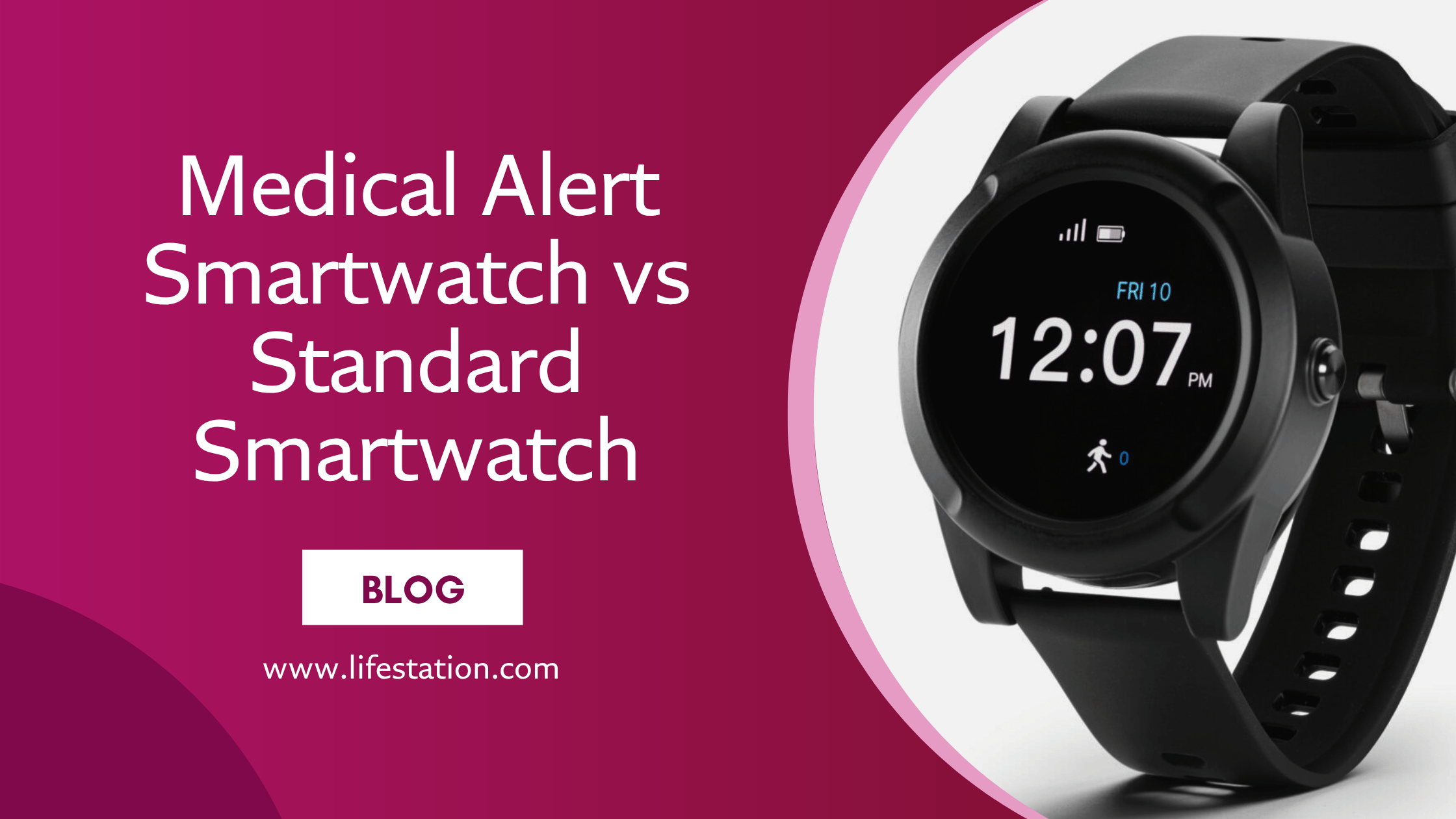
Sidekick Smart (Smartwatch): This stylish wearable combines the functionality of a smartwatch with emergency assistance features. Plans start at $42.95/month, and include heart rate monitoring, step tracking, and weather updates.
Fall detection
Medical alert systems activate even when the button isn’t pressed—automatically identifying serious drops and triggering a response. The Automatic Fall Detection feature closes the gap when movement, pain, or confusion makes calling for help impossible.
All LifeStation systems are available with no long-term contracts and include a 30-day money-back guarantee, ensuring flexibility and peace of mind.
When compared to the potential $40,000 or more in medical expenses resulting from an unassisted fall, investing in a LifeStation alert system is a cost-effective decision that prioritizes safety and financial well-being.
The Psychological Cost
The cost of a fall for seniors without an alert system doesn’t stop at billing statements. It shows up in smaller, heavier ways—lost confidence, fear of being alone, second-guessing simple movements.
For families, it’s the stress of checking in constantly, wondering what might happen when the phone goes unanswered. It’s the guilt of not being there, and the pressure to change living arrangements that no one really wants to change.
That mental weight sticks longer than bruises. It reshapes routines, independence, and trust. And it costs more than money ever shows.
At LifeStation, customer service begins and ends with our knowledgeable and friendly Care Specialists! Call (800) 998-2400
A LifeStation alert system doesn’t just cut costs—it keeps confidence intact. Compare options today and choose the one that protects both safety and sanity.
Get the Best in Medical Alert Services Now
Request Medical Alert Information
By clicking the Request Brochure button above, you are providing an electronic signature certifying that our company and our affiliates have your consent to contact you at the provided telephone number using an autodialer or prerecorded message in accordance with our Terms of Use. Please note that you are not required to purchase anything from the companies that may contact you. Healthcare providers and anyone interested in getting more information about working with LifeStation, please contact LifeStation business development. By entering an email address, you agree to receive emails periodically from LifeStation. You can unsubscribe from these emails at any time. LifeStation.com will never sell, trade, rent or give away your personal information without your permission. We value and respect your trust in us.